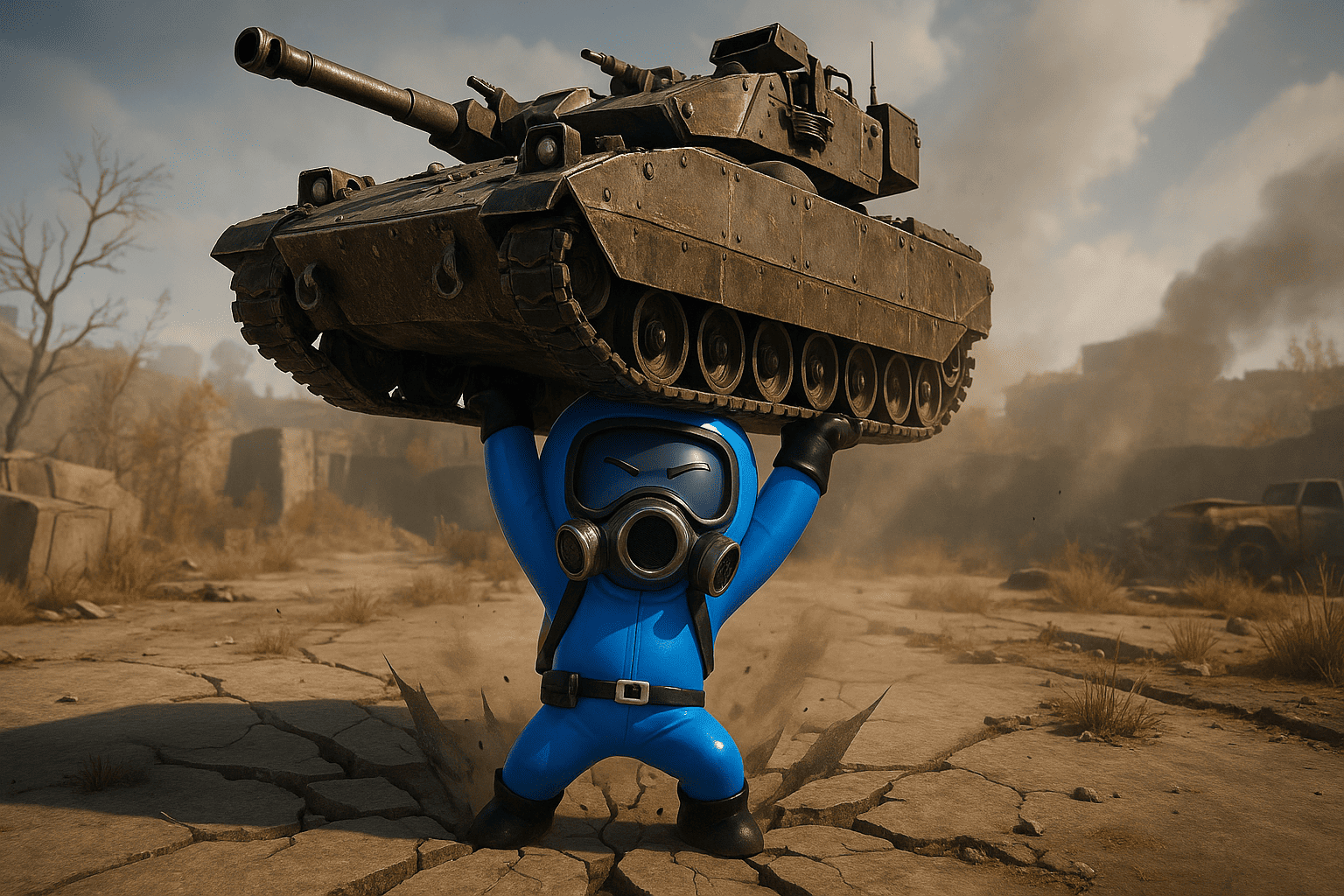
Playing solo Rust on a server with 200-300 pop isn’t just “making the game harder for yourself” - it’s a completely different genre. Clans control monuments, roads and forests, and your little wooden box survives only until the first bored raider decides to press a few rockets into it.
And yet, experienced solo players constantly prove that surviving on a high-pop server is absolutely doable. It’s less about mechanical aim and more about brain, stealth and discipline.
Solo vs clans: what’s different

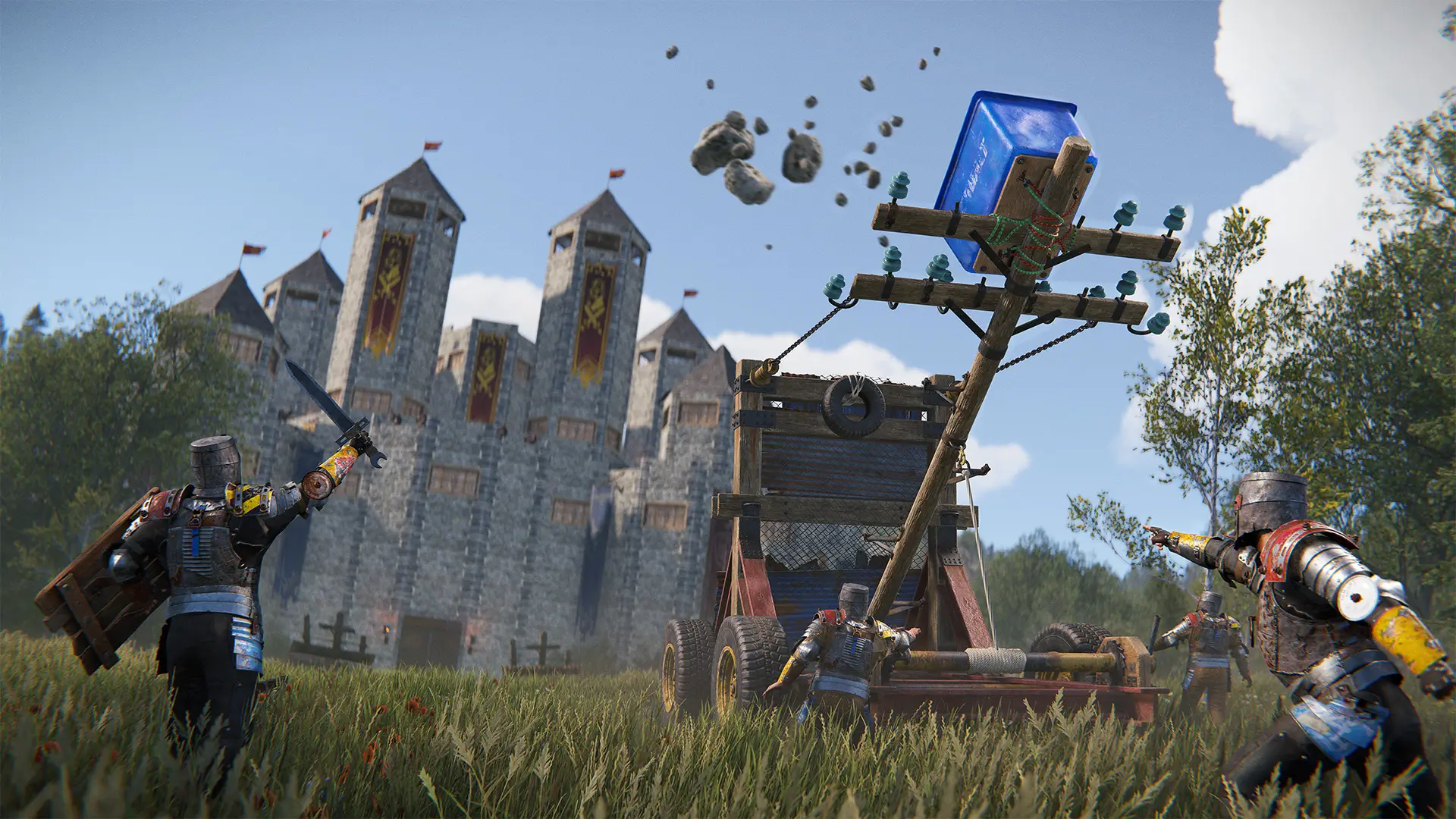
The biggest newbie mistake is trying to play the same game as clans. If you’re solo and they roll in as a five–ten man group in prime time, any “head-on” fight ends the same way: all your loot gets a new home in their base.
Solid solo gameplay is built on three simple pillars: invisibility, speed and timing. A good solo doesn’t try to “hold the area”. He plays like a rat in the walls: avoids open fights, takes shots only when the odds are in his favor, and instantly changes position afterwards. Many guides literally suggest measuring your success not by how many fights you win, but by how many hours of the wipe you survive and how stable your progress is.
Clans are chained to schedules: they farm and raid in prime time, run the same routes over and over. A solo has one big luxury - playing off-peak. If you can farm early in the morning or late at night, the load on the map drops and the chance of running into a big group is minimal.
Picking a base spot: remote vs convenient
On a high-pop server, a good base location is half your survival. Pick the wrong spot and you’ll end up living between two clans who use your house as a shooting range.
Too close to a monument - you’ll be seen all the time, even if your base is small and clean. For a solo, it’s usually better to live a few grids away from all the “juicy” areas.
Too far from civilization - the opposite problem. Sure, fewer people see you, but every farm run turns into a one-hour marathon with a high chance of dying on the way back. Based on my own experience and a bunch of “best base spot” guides, it’s usually best to look for a combo of monument + safe escape route: rivers, ravines, forest belts, rocky pockets where you can hide an entire mini-base.
The most practical approach is to pick a semi-hidden spot. Somewhere that’s 1–2 minutes on a horse or on foot from key monuments, but the base itself is tucked away - in the trees, between rocks, on a hillside and so on. The less direct line of sight from roads and high-traffic areas, the better.
Smart farm routes with minimal contact
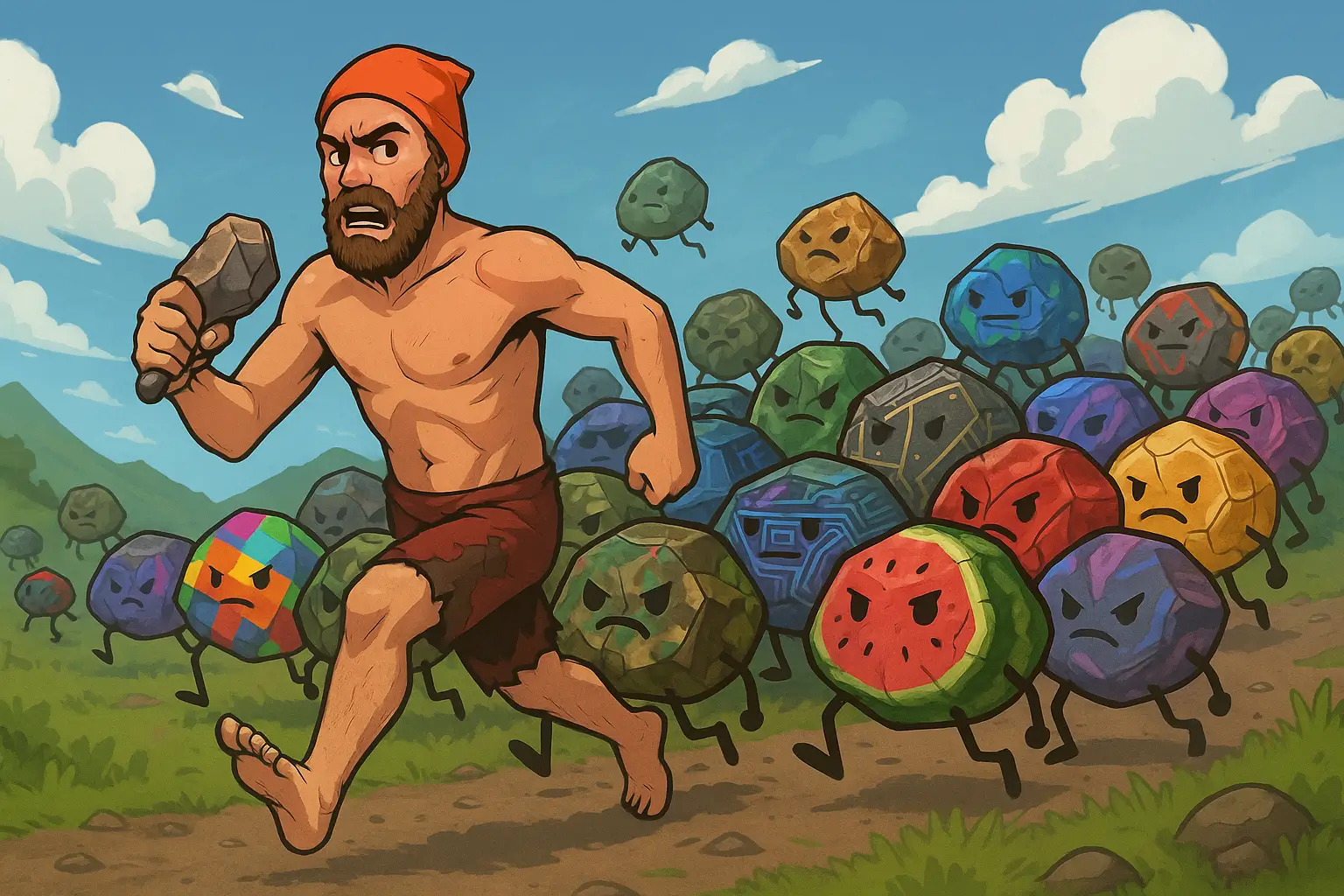
Your farm routes are what separate a living solo from yet another naked with a rock. On high pop you don’t need “rich” routes - you need safe ones.
Start by learning the map. You can use sites with map galleries and resource stats to roughly understand how nodes and monuments are usually spread out. But the main thing is to watch your specific server: when clans are most active, who controls the oil rigs, where minicopters constantly fly etc.
Next, build your routes using a “zigzag” principle. Straight roads and long sprints across open fields are the fastest way to donate your entire inventory to the first guy you meet. A smart solo farmer moves “in the shadows”: through low ground, tree lines, slopes, shorelines.
Another important point is breaking routes into chunks. Instead of one giant loop with a full inventory, do several short runs: grab a few stacks of sulfur, stash them in the nearest hidden box or mini-base, go back out. Losing half of your loot hurts way less than losing everything.
And remember: the exact same farm route during the day and at night has two completely different risk levels. If your schedule allows it, shift your main farming to hours when the online dips and clans log off or go do something else.
Diplomacy with neighbors: alliances and neutrality
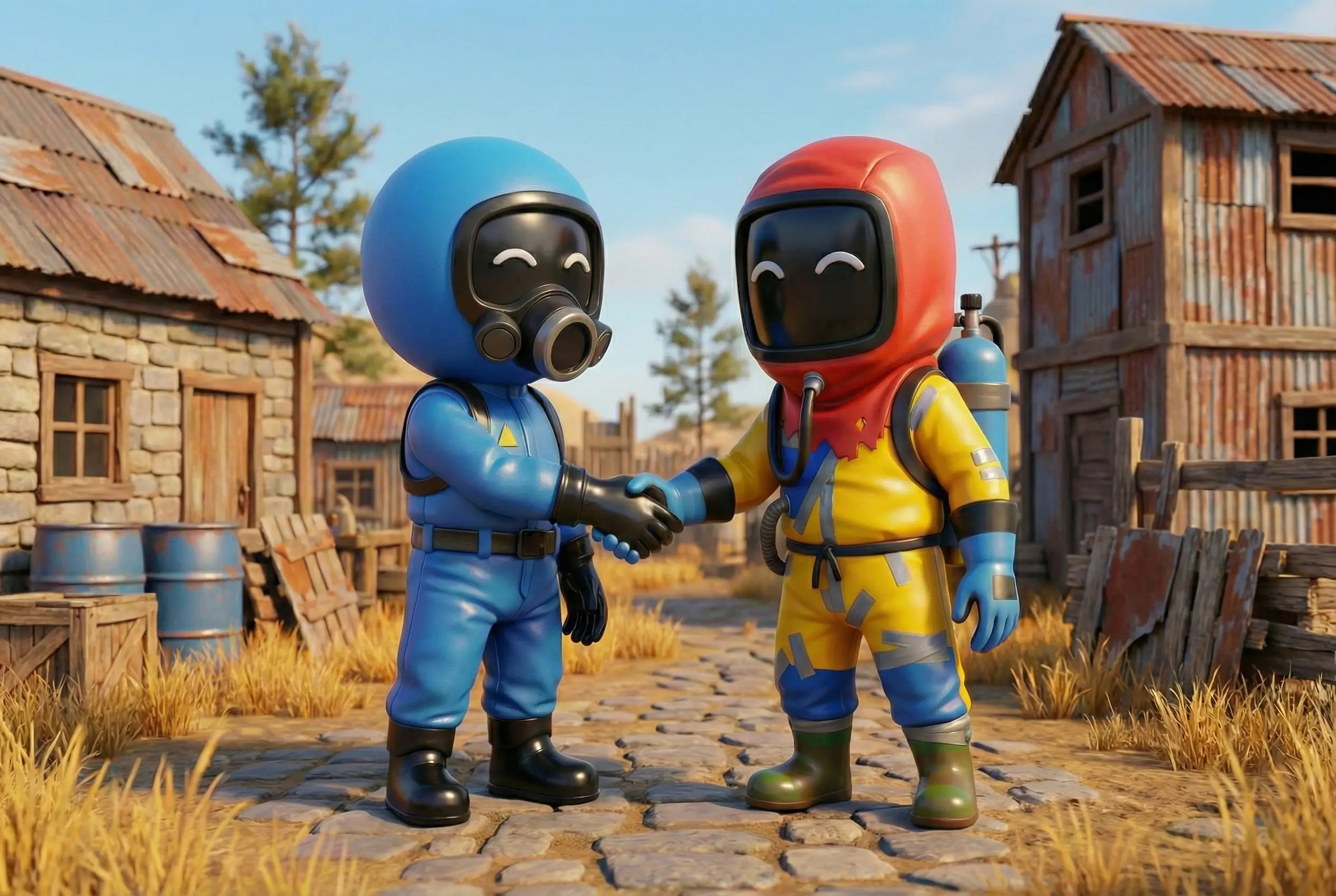
A lot of people forget that diplomacy in Rust is just as much a survival tool as farming or building. A full-on alliance for a solo is a bit risky: today you farm together, tomorrow they accidentally kill you on rig and suddenly there’s a little local war going on. But neutrality and situational alliances are the sweet spot.
A good approach is to use voice and text chat for only two things: **s**etting boundaries and offering mutual benefit. For example, you see a neighbor who’s also solo or playing duo with a friend. Instead of pointless PvP over a couple stacks of wood, you just lay down simple rules like: “You farm over there, I’ll farm over here, we don’t offline each other and don’t shoot on sight for no reason.”
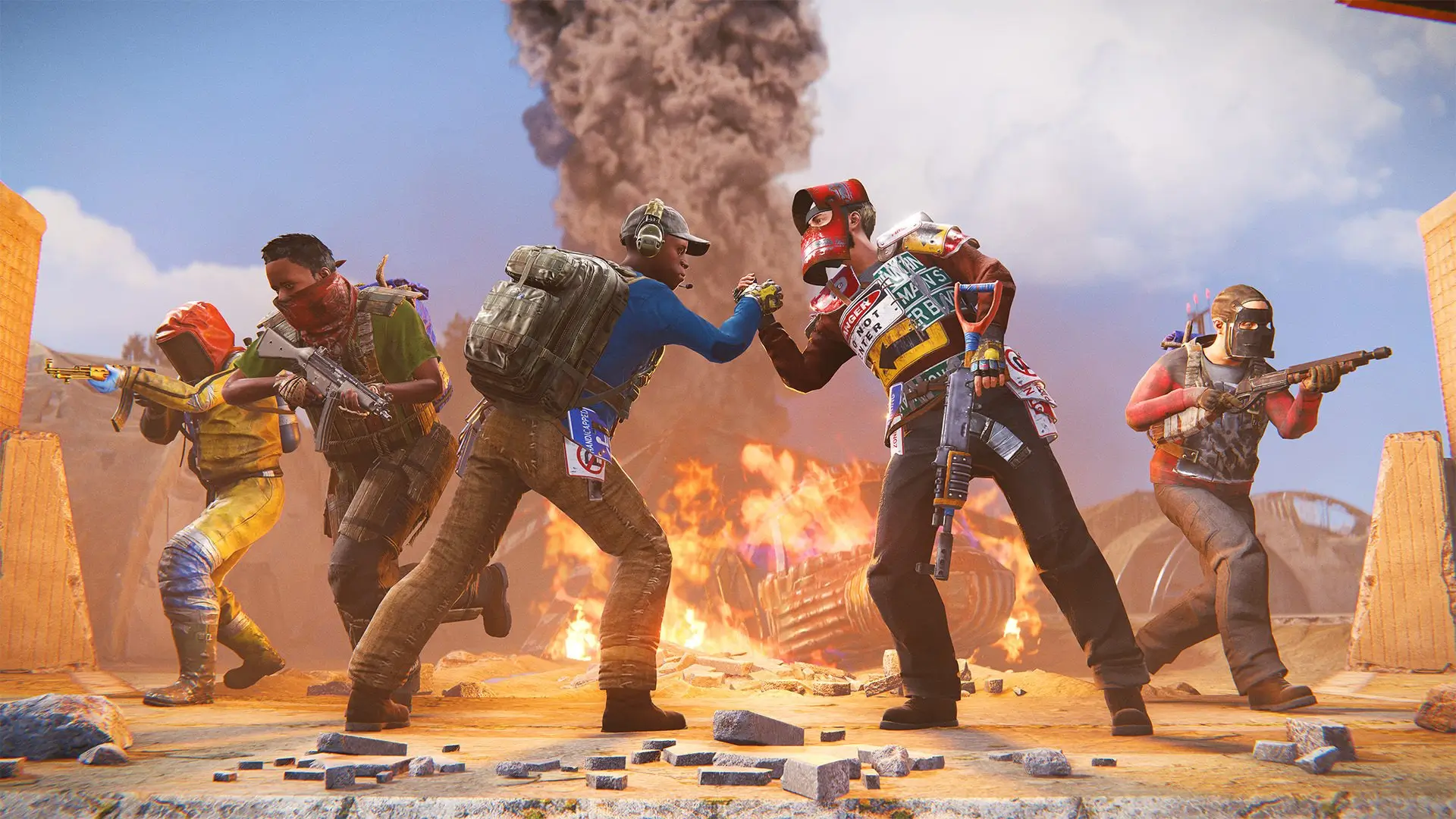
Sometimes it makes sense to offer one-off alliances: a joint oil rig run, clearing out a strong clan, holding down a Chinook crate together and so on. The golden rule - never let anyone into your main base. At best, meet on neutral ground or at a temporary camp you’re not afraid to lose.
Diplomacy is also about maintaining the image of an “uninteresting target”. The less you flame in chat, the lower the chance some clan drops your name into their “targets for tonight” list. Coming back for revenge feels good, but in a lot of cases it’s more effective to pretend you don’t exist.
Solo starter builds and craft priorities

On a high-pop server, your start matters a lot. While you’re standing there thinking about what base design to use, clans are already running around with revys. A proper solo build should pull you out of the “naked with a bow” phase and into “mobile guy with a solid base and stable income” as fast as possible.
Priorities are usually something like this: tools → melee weapon, bow and basic armor → revolver and/or DB → small but properly reinforced starter base. A key point is how quickly you get your first bag and tool cupboard down. The faster you secure a respawn in a relatively quiet area, the less random deaths will set you back. Big bases attract extra attention; what you actually need early is to ramp up your economy, so it’s better to start with a simple 1×2 or 2×2 starter.
In crafting, you give priority to anything that increases mobility and your odds of surviving your first encounters: bow, then revy/DB, meds, light armor. Don’t rush straight into top-tier guns - it’s far more important to feel out the map and dial in your farm routes.
Mini-bases and the nomad lifestyle
Clans can afford one giant compound. You can’t. For you, that’s a luxury. You’re moving around the map, setting up mini-bases, planting stashes and occasionally switching your main spot.
A mini-base is a small 1×2 or 2×2 hidden under a rock or tucked away in the trees. Inside you’ve got the basics: cupboard, bag, a couple of boxes, a furnace. You can have several of these in different parts of the map: one near your main farm area, one close to a good monument, another near the coast.
The nomad style gives you one more advantage: you’re constantly changing your paths and active hours. While some clan is arguing about how to find “that rat who killed our farmer”, you’re already living in a different grid.
Solo lifehacks for high-pop servers
There are a bunch of little habits that, together, massively increase your chances of surviving alone against clans.
First, don’t be greedy. You see an extra naked with a hatchet? You don’t always have to shoot. Any gunshot is a signal that “something’s happening here” and an invitation for people to come check it out. The quieter you are near hot areas, the better.
Second, stealth and movement. Change your routes, don’t run down the exact same paths every time, don’t go home in a straight line after a juicy raid. Flanks, hills, bushes, rocks – those are your best friends.
Third, micro-psychology. Some solo players intentionally pretend to be “the poor neighbor”: no massive external walls, no expensive guns on the roof, no constant screaming in chat. That image alone lowers a clan’s motivation to waste rockets on you specifically.
And finally, voice chat. Yes, Rust is known for its toxicity, but calm negotiations often save you just as well as armor does. A couple of chill lines like “I’m solo, live over that hill, not looking for trouble, let’s just walk away” can save you several hours’ worth of farm. Especially if it’s obvious you’re talking to half-casual dudes, not a hardcore raid clan.
Conclusion
Playing solo on a high-pop server isn’t masochism - it’s a completely different playstyle. You don’t have to wipe clans off the map or win every fight. Your goal is to stay alive as long as possible, progress, choose your battles and enjoy how you outplay larger groups not with raw firepower, but with tactics.
A good base location, smart farm routes, careful diplomacy, a nomad setup with mini-bases, a thought-out solo build and the habit of thinking a few steps ahead - all of that turns solo Rust from endless pain into a genuinely fun, high-stakes challenge.
And if you learn to play this way, clans will stop seeing you as “just another naked” and start seeing you as that invisible threat that makes them place an extra turret and sit on edge late into the night.
Love that solo-raid adrenaline? You can chase that same feeling over on CobaltLab!