2025 was one of those years for Rust where the game felt fresh even for people with thousands of hours logged. Facepunch didn’t just toss in minor content - they did a ton of real work across almost every part of the game, adding new locations, mechanics, events, and quality-of-life changes. The result was loud, in the best Rust way: part of the community applauded, part of it didn’t vibe with the direction, but either way there weren’t many players who felt indifferent.
The biggest updates of 2025
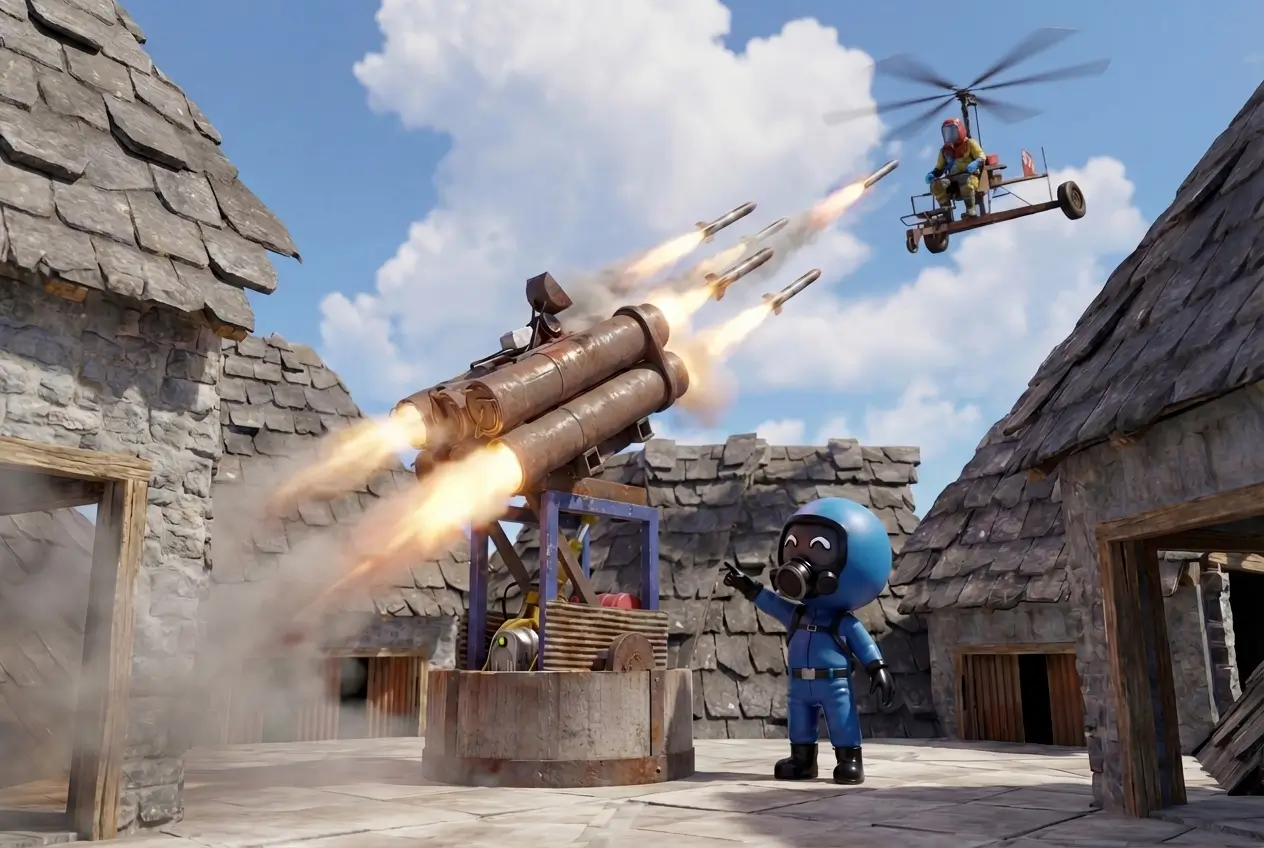
The year kicked off with Primitive. This was a major update that introduced a separate mode and a full set of early-game tools and weapons. It brought in a new bow, shields, siege machines, and pushed combat toward fights without firearms and explosives. Personally, this was one of my favorite updates because it genuinely feels like you’re playing a different game. Instead of rocket launchers and C4, you’re rolling up with a siege tower and a battering ram. Instead of AKs and Thompsons, it’s bows and crossbows. It was bright, chaotic, and it added variety that pulled in a wave of new players.
In spring we got a calmer patch called Soft Refresh. It expanded social features inside the game, polished a bunch of smaller systems, and dropped a small tease for the upcoming jungle content so people could hop on and test what was coming.
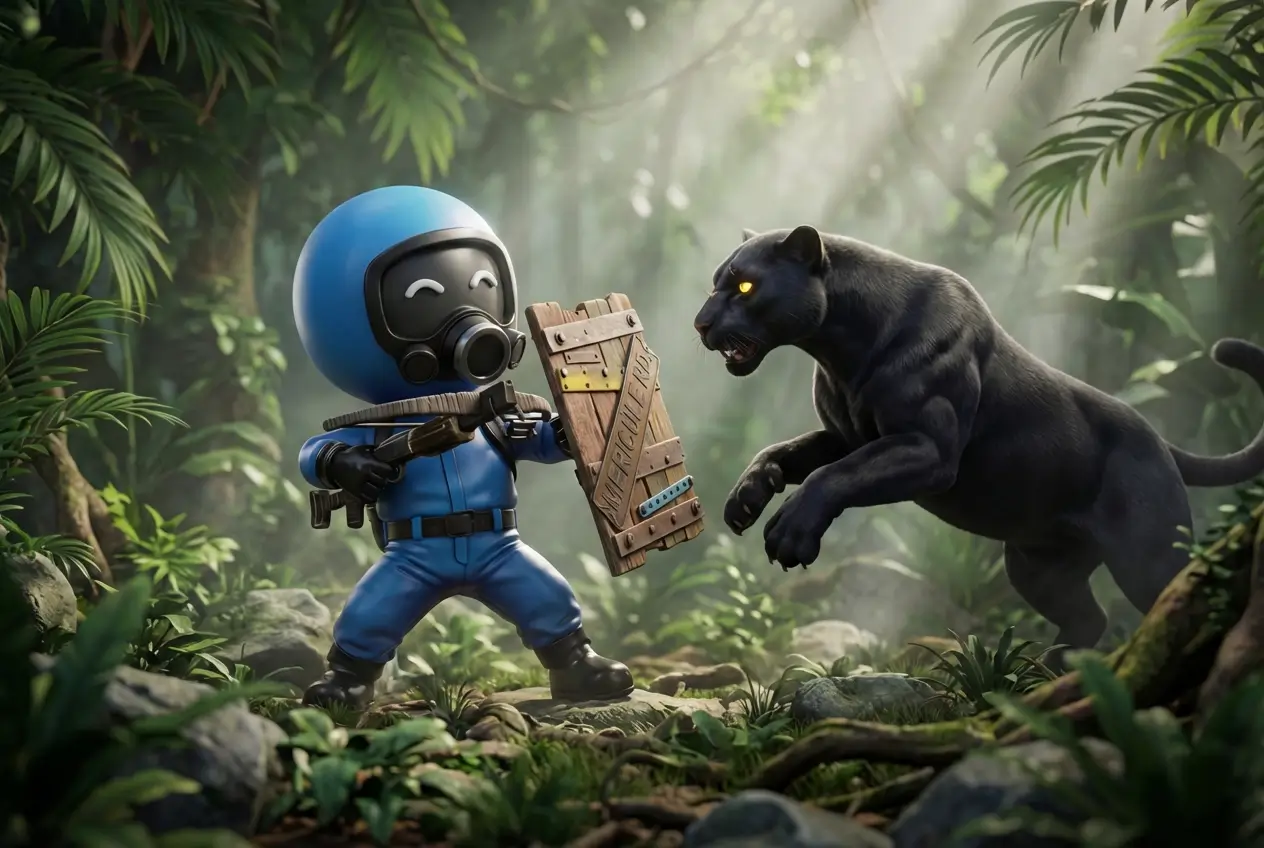
May was the Jungle Update, and it was the biggest “wow” moment of the year. Rust got a brand-new jungle biome - the first new biome since the old procedural days. Dense vegetation, vine traversal that lets you climb and move through trees, new predators like a panther, and themed weapons like a boomerang and blowpipe noticeably changed the first hours of a wipe.
Over the summer, the focus shifted to making team play smoother. With Friends with Benefits, Facepunch introduced a new party system so it was easier to join a server as a group and get everyone together faster.
August was all about Harder Core, a hardcore-mode update with harsher risk and restrictions, including changes to navigation and weapon crafting specifically for that mode.
In autumn, Facepunch made the most controversial - and most talked-about - pivot of the year. In the September devblog, they basically said the patch would be focused on fixes, and that heavier meta and balance changes were coming next, along with big plans for Rust’s sea-side gameplay.
New mechanics and content
The most noticeable change in 2025 was how much attention Facepunch put on the map itself. The jungle biome had a real impact on routes and on how fights play out. In thick green cover, visibility is worse, sound matters more, and the verticality creates new angles for both attacking and escaping.
The second big story was social play. The new party system reduced friction for newer players and small groups, because it cut down the “beach chaos” and made it easier to get a first base down quickly - which naturally leads to earlier fights.
But the real switch-flip was progression. With the meta-shift changes, Facepunch brought blueprints back in a new form: blueprint fragments you can find at monuments. Those fragments are required to craft tier 2 and tier 3 workbenches. That immediately made monument fights more alive, because everyone needs workbenches, and you can’t just craft them without engaging with that system.
Weapon balance and the 2025 meta
Balance in 2025 wasn’t only about numbers - it was about economy and wipe pacing too. In the June devblog Nerfed, Buffed, Balanced?, Facepunch touched suppressors by introducing new types and shifting the philosophy behind them: suppressors should stay strong for ambushes and remain genuinely useful for solo players, but they shouldn’t turn into an always-on “mandatory” attachment for every situation. In that same update they also improved quality of life on high-pop servers by adding ways to tune loot spawning.
But the biggest meta change wasn’t recoil or ammo - it was the tempo of a wipe. When tier 2 and tier 3 workbenches are gated by blueprint fragments, you see more early monument fights and you start valuing “in-between” weapons again - like the revolver - simply because you need something reliable to contest those early engagements.
Popular events and highlights of the year
In April, the Easter activity returned, bringing periodic egg hunts where rewards can range from basically useless to ridiculously good. It’s the kind of event that kickstarts movement around the map and adds fun even for people who are burned out on farming.
Another big highlight was media-driven tournaments. In Getting It Right, Facepunch mentioned Twitch Rivals Team Battle VI, with a $100,000 prize pool held in December. Sure, compared to CS or Dota, that isn’t massive esports money - but the clips spread everywhere, and it still brought a lot of new players into Rust.
Problems and criticism from the community
The main debate of 2025 centered on progression. Blueprint fragments weren’t universally loved: solo and duo players complained about pressure from large clans, and some players saw it as extra grind. In Pivot Or Die, Facepunch explained that fragments were meant to address an old problem: many servers didn’t fully wipe blueprints, so players would join a fresh map already having everything unlocked, which basically killed the early wipe stage.
The second pain point was cheaters. In spring, the devs launched premium servers as an experiment, where access depends on the value of your Rust inventory - essentially adding a barrier for throwaway accounts. People argued about it, but the intention was clear: make it harder for players who exist only to ruin wipes.
The third topic was quality of life and server stability. On very high-pop servers, loot could spawn too fast or too slow, and that alone could break the pacing. Nerfed, Buffed, Balanced? introduced a mechanism that allows loot respawn behavior to be regulated more reliably.
What the developers fixed
The clearest “we heard you” response was Pivot Or Die. Facepunch rolled out the new blueprint system, noticeably lowered unlock costs in the workbench tech tree and research, and removed scrap costs from crafting workbenches. The goal was to keep progression meaningful without making it feel like endless grind - because that kind of grind kills motivation.
On the more technical side, there were a lot of smaller fixes and improvements, but one change that stuck with me was the adjustment to gunshot sound ranges. It made the world feel more alive, and it gave powerful weapons an extra downside: you can be heard from farther away.
Rust expectations for 2026 - official plans
In the January devblog Surviving 12 Years, Facepunch promised to keep stability through monthly updates on the first Thursday of each month, plus regular fixes, quality-of-life improvements, and seasonal events.
The first big update, Naval Update, released on February 5, 2026, set a strong pace for the year with a huge number of changes - and if you want the full breakdown, you can read it in our dedicated article about that update.

Looking ahead, the developers also listed what’s already in progress for 2026: new monuments (so far, the only one publicly named is an apartment complex), new player models and animations that should open the door to customization, and a broader ecosystem layer with new animals like cows and sheep plus a full breeding system. They also said they plan to revisit older content and improve things that feel outdated or that didn’t work as well as intended.
In Surviving 12 Years, they also mentioned Rust Mobile as one of the big releases for the year, which could influence the overall Rust spotlight and bring more new players in - even if you only play on PC.
Rumors and leaks about 2026 content
This is where it’s important not to mix facts with chatter. Officially confirmed directions include new monuments, the character update, and the animal/ecosystem layer. Rumor-wise, the thing that pops up most often is talk about a possible battle pass or some similar cosmetics progression system. Some outlets have discussed it as a potentially controversial future move, but there’s no official confirmation.
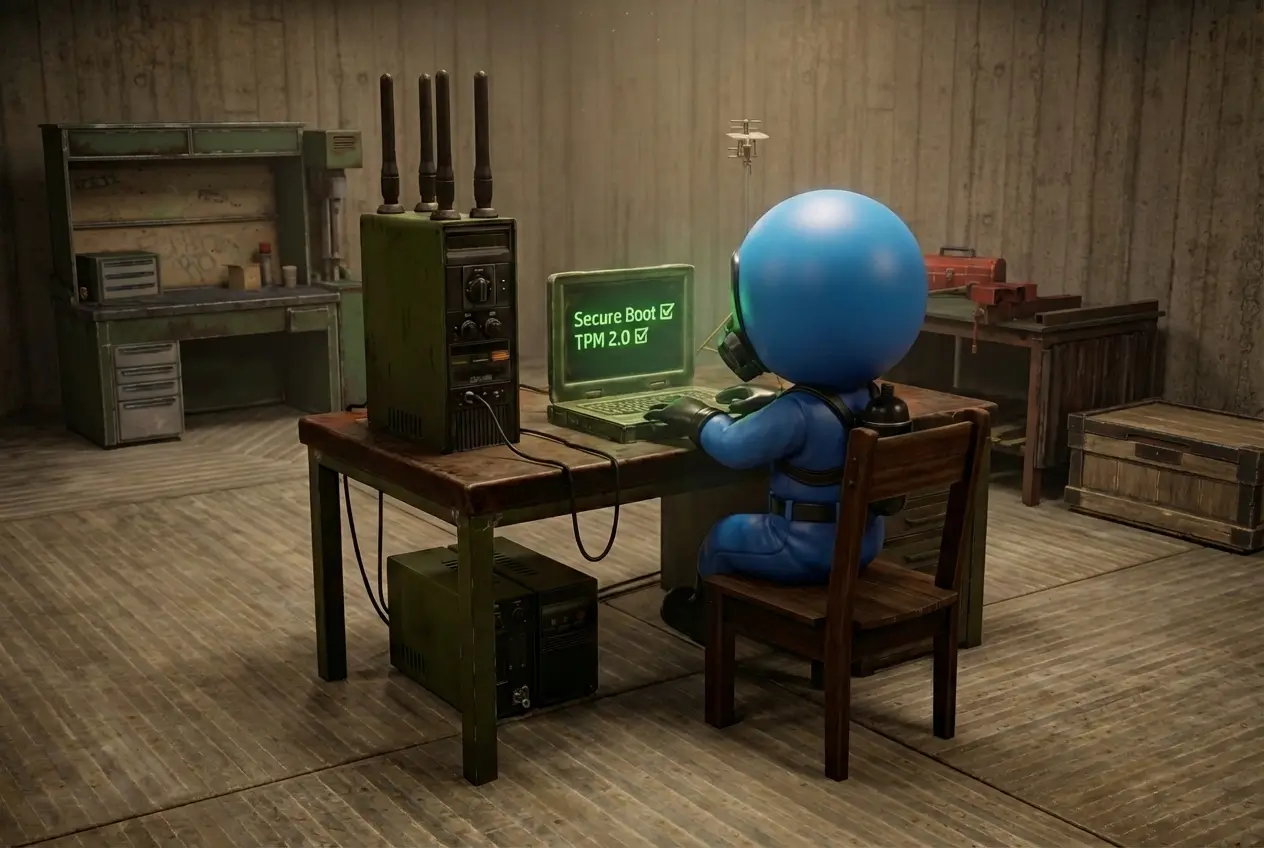
On top of that, there’s discussion about potentially requiring security features like TPM 2.0 and Secure Boot. You can also read more about that in our article.
Rust 2025 recap and 2026 expectations - in short
For Rust, 2025 was a year of experiments and bold moves. Updates like Primitive and Hardcore showed real attention to separate modes. The jungle biome gave the world a shot of fresh air. The party system made life easier for anyone who isn’t playing solo. And the blueprint changes forced players to look at wipes differently.
Expectations for 2026 look just as energetic: more naval content (already live), new monuments, a deeper ecosystem, and - most importantly - consistency. What I personally love about Rust is that the “rules” change often, and because of that, every new year feels like a new wipe, even if you stopped being a newbie a long time ago.
Discover a different side of Rust on CobaltLab! The project with the most generous bonus system out there!