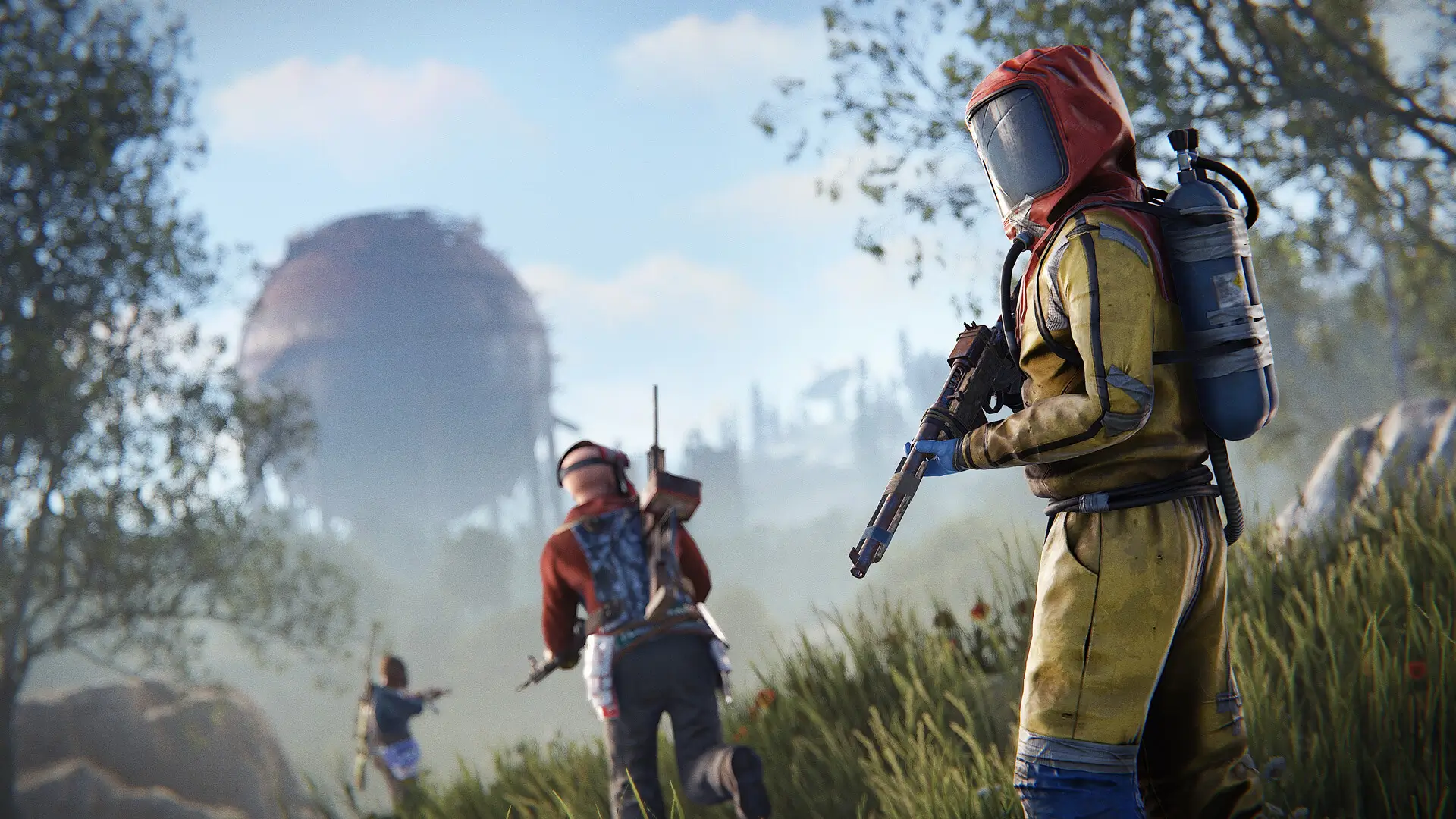
Rust is often seen as a game about gunfights, raids, and surviving at any cost. But the more hours you put in, the clearer one thing becomes - a good wipe often depends not on your aim, but on how you communicate with the people around you. This is especially true if you play solo. Negotiation is not roleplay and not a weakness. It is a tool that saves resources, time, and nerves, and sometimes helps you secure territory and make your progression far more stable.
Many players end their wipe not because of bad shooting, but because of endless conflicts caused by stupid reasons - an awkward phrase in voice chat, a random kill of a neighbor, a stolen horse, and so on. Small skirmishes turn into wars, wars drain resources, and eventually you get offline raided (and you are lucky if it happens online).
Diplomacy is especially important for solo and duo players, because small groups do not have the same margin for error as clans or teams of four or five. But even larger groups rely on negotiations - just on a different level. They divide zones of influence, build temporary alliances, and jointly control major monuments and events.
Why negotiation matters
Every conflict in Rust has a cost. Even if you win a fight, you still spend ammo, meds, time, and attention. If you lose, you give your enemy loot and motivation. Many conflicts bring no real benefit from the start. They only create chains of retaliation and constant pressure.
Negotiation works as a way to turn chaos into structure. If you agree on neutrality with your neighbors, you reduce the risk of random encounters. If you agree on resource exchanges, you speed up progression without extra farming. If you build diplomatic relationships, it becomes easier to get information about strong clans, upcoming raids, or event activity. In practice, diplomacy increases your visibility on the server - but in a good way. You are seen as a player worth dealing with.
An important point - negotiation should never turn into blind trust. Rust is famous for brutal betrayals, and that is part of the game. You are not required to trust everyone. The goal of negotiation is to find a format where you gain value while controlling risk.
First contact with neighbors

First contact almost always sets the tone. If you start with aggression, threats, or toxicity, the chances of peaceful coexistence drop immediately. If you start too softly and show weakness, you may be seen as an easy target. The best style is calm, neutral, and confident.
The strongest tool is voice chat, because tone carries far more meaning than text. In voice, it is easy to show that you are not looking for conflict, but also not afraid of it. Text chat is often disabled or simply ignored on high-pop servers. In practice, voice chat is the only reliable way to establish contact with neighbors.
A working first-contact approach is simple. You state your presence and intent - you are building here, farming, and not looking for pointless war. You can add that you are open to mutual benefit. There is no need to force friendship. In Rust, friendship without benefit rarely lasts. Early wipe, even a simple “we do not touch you, you do not touch us” solves most problems.
How to evaluate your neighbors’ intentions
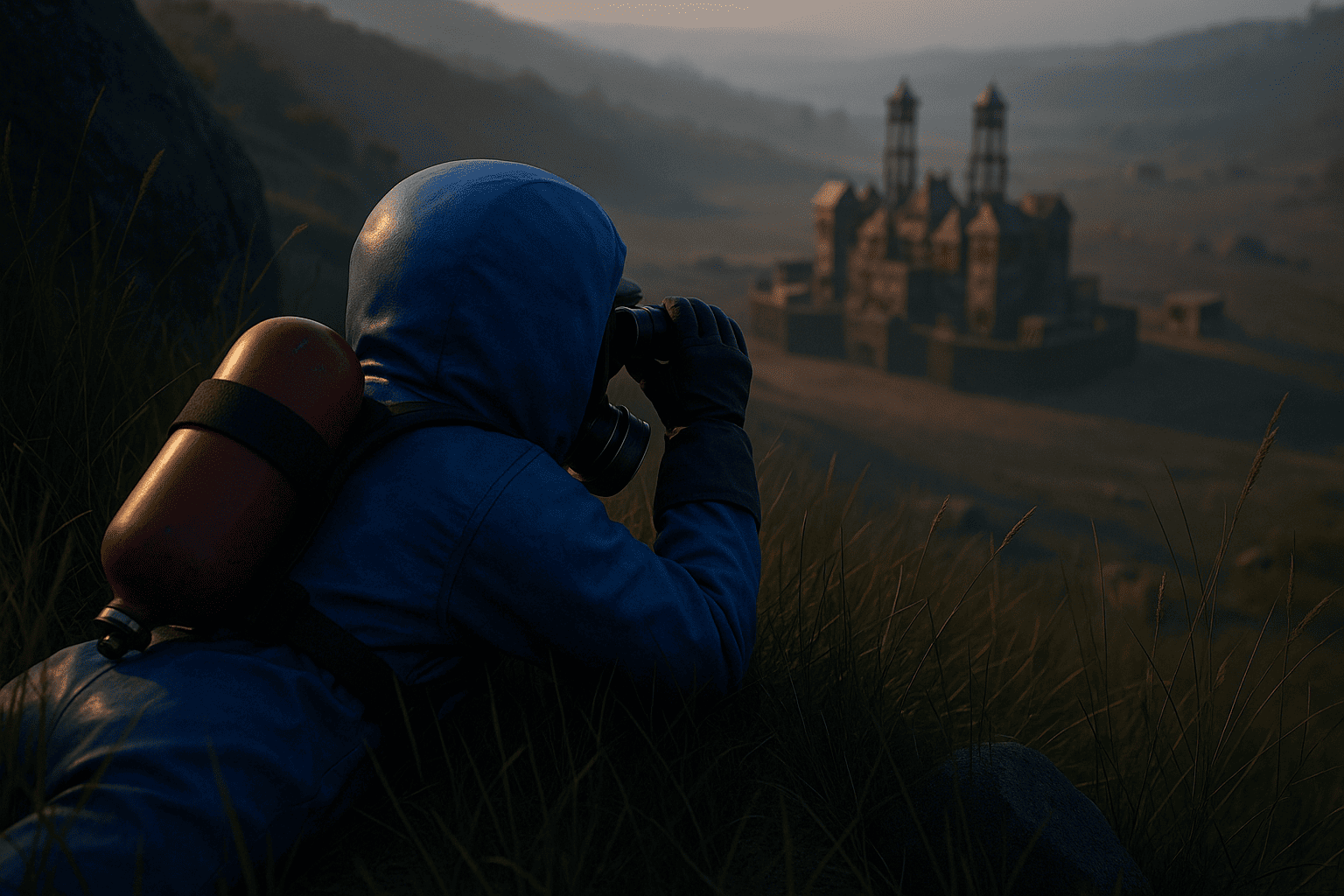
Words matter less than behavior. A player may say “we are peaceful” while sitting outside your base with a double barrel, waiting for you to leave. Judge intentions by actions - who shoots first, who tracks your movement, who loots your body without trying to talk, who places traps on your routes.
There are several warning signs that often indicate risk. If someone rushes you and applies pressure like “do it now, quickly”, they are probably trying to bait a mistake. If they suggest meeting inside your base or ask you to open doors, it is almost always a setup. If they promise profit but keep terms vague or constantly change the deal, that is another red flag.
Reputation also matters. On most servers, it becomes clear very quickly who plays fair and who lives off scams.
Neutrality, non-aggression pacts, and boundaries
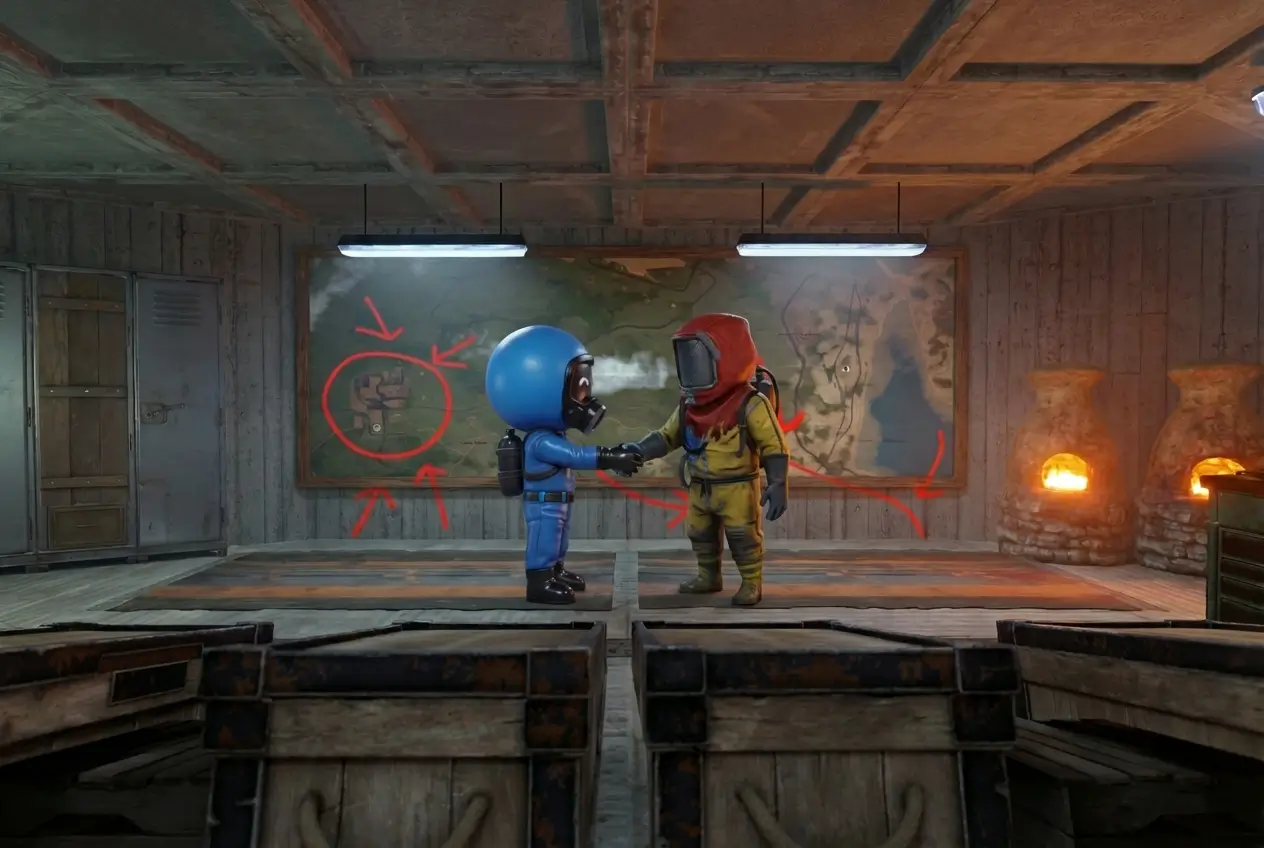
The most basic level of diplomacy is neutrality. It does not require friendship, joint raids, or constant communication. Neutrality is simply “we do not interfere with each other, we respect territory, and we avoid small provocations”.
For neutrality to work, it must be clear. A common problem is mismatched expectations. For one player, neutrality means “no raiding, PvP is fine”. For another, it means “no shooting at all”. That is why it helps to define boundaries once - where your territory is, what counts as provocation, and what happens in case of an accidental kill.
On active servers, it is also useful to agree on basic rules - no building externals too close, no blocking roads, no camping base exits. These sound minor, but wars usually start from small things like this.
Resource and service exchanges
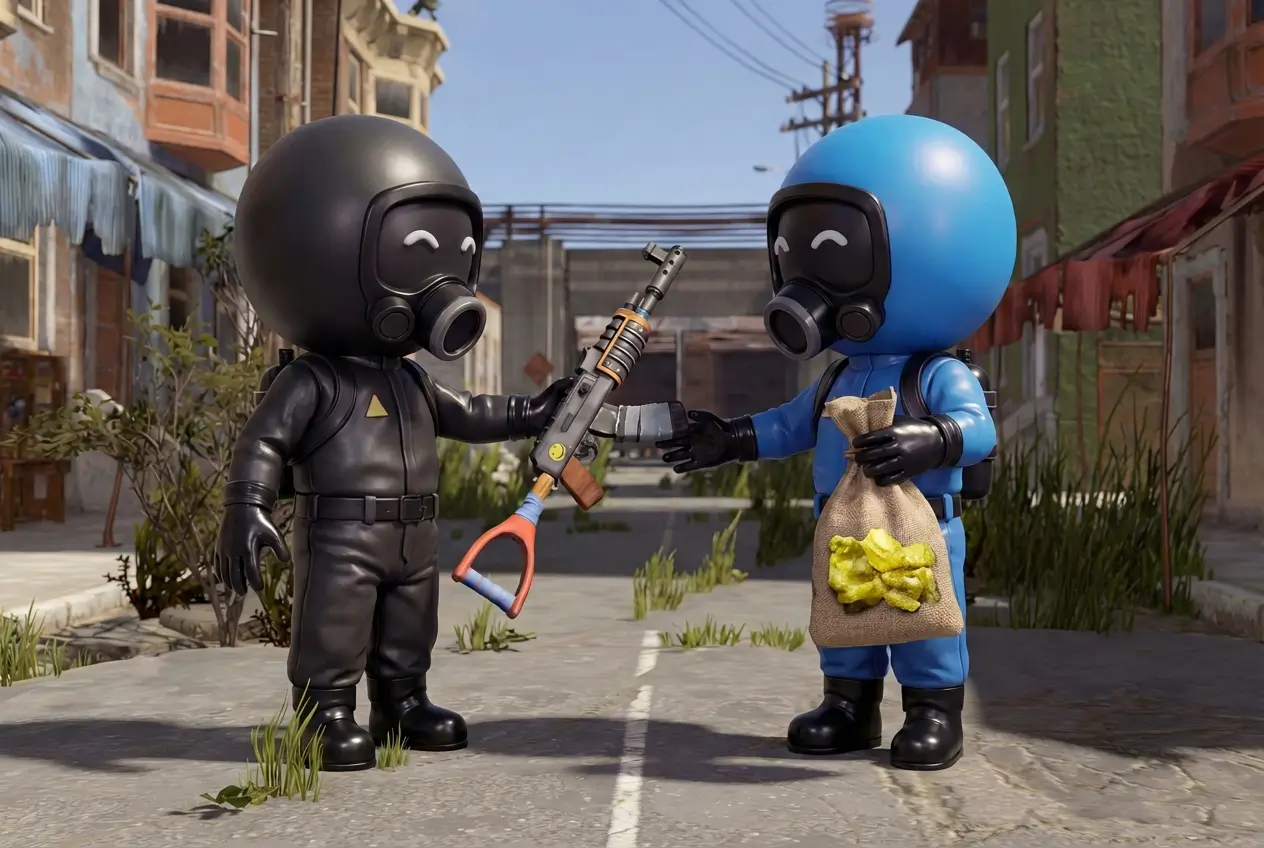
Trading is a powerful diplomatic mechanic, especially if you understand time and resource value. Sometimes it is better to trade surplus resources for something you lack than to farm for another hour under risk.
Exchanges can be direct - resource for resource - or service-based. For example, someone gives you metal, and you help them run a blue card, craft an item they have not learned yet, or provide access to something you control. In practice, these deals speed up progression and create connections. When both sides benefit, the chance of peaceful coexistence increases.
The safest way to trade is a vending machine. It locks conditions and prevents “I will put it in later”. If you trade by hand, minimize risk - no base access, no extra loot on you, control the area, and always have an exit.
Building a diplomatic reputation
Diplomacy over a wipe is not one conversation - it is reputation. If you keep your word, avoid dirty provocations, and do not try to win on tiny technicalities, you are seen as a reliable neighbor. Reliability is valuable in Rust because it lowers threat levels. Even aggressive clans tend to target players who cause problems rather than those who stay in their grid and do not interfere.
That said, diplomacy only works if you do not look like free loot. Weak neighbors are often disrespected. Even if you play peacefully, you must show that you can defend yourself. This does not mean toxicity or threats. It means calm confidence and clear boundaries.
How to spot deception and avoid it
Most deception relies on two things - trust and urgency. You are pressured to act quickly: open a door, come out unarmed, bring something right now, walk into a blind spot. When negotiations include pressure and strange conditions, it is usually better to step back.
Another common trick is “show me where you live so we do not mix things up”. Anything that reveals your base, routes, or weak points is dangerous. Information is often more valuable than resources.
Remember a simple rule - any agreement should be beneficial to both sides and verifiable. If it cannot be verified, you are gambling.
When negotiations are useless
There are situations where diplomacy does not work. If your neighbor plays purely through aggression and has no interest in mutual benefit, talking will not help. If a clan has already decided to raid you, negotiations may only be used to gather information. If the server is pure chaos where everyone shoots everything, neutrality rarely lasts.
Negotiation is also pointless when you try to talk without resources or leverage. On some servers, respect only comes to those who can respond. It is harsh, but it is part of the game.
Knowing when to stop negotiating and switch to defense or preemptive actions is also a diplomatic skill. Sometimes the best “dialogue” is strengthening your base, changing routes, preparing fallback shacks, and denying the enemy easy windows.
Conclusion
The art of negotiation is a skill that directly affects your wipe. Diplomacy helps you survive, save resources, speed up progression, and control territory. It does not replace PvP or raiding, but it allows you to choose the right moments for conflict and avoid pointless wars.
If you want to learn how to deal with neighbors and build alliances, start simple - speak calmly, verify words through actions, keep deals safe, and respect boundaries.
Diplomacy saved your base? Time to relax and grab a free bonus on CobaltLab!