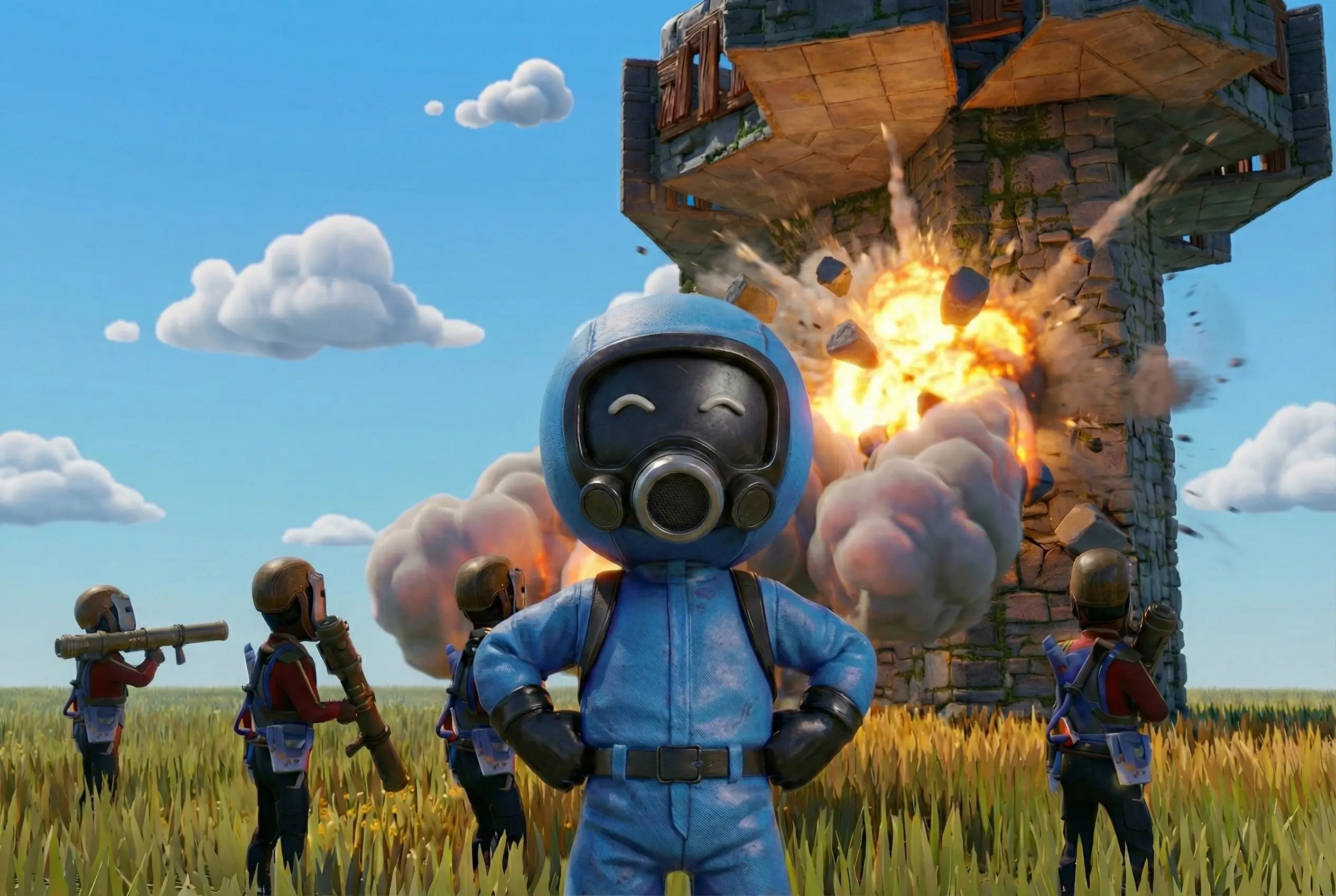
Vehicles aren’t just a way to move around the map faster - they’re a survival tool for farming, raiding, and controlling territory. Picking the right transport saves time, lowers your risk of dying, and directly impacts how efficient your gameplay is. The wrong choice almost always ends with you losing loot, the vehicle, or both.
Early wipe, transport is all about getting a fast start. In midgame, it helps you farm, haul resources, and force PvP. Late wipe, vehicles become part of your strategy - from resource logistics to controlling the skies and the sea. That’s why it’s important to choose transport for a specific job, not just ride whatever you happen to find.
Vehicle overview
In Rust, transport falls into a few key categories - ground, water, air, and underwater. Each one was designed for specific scenarios and solves very specific problems. There’s no true “one-size-fits-all” option, and trying to use the same vehicle for everything usually ends with you losing loot, time, or the vehicle itself.
Ground transport covers basic movement and logistics. That’s horses and modular cars. They’re used for resource farming and hauling loot. A horse is great at the start of a wipe when you need mobility with minimal investment. A car becomes relevant later, when you need to move large amounts of resources and explosives safely.
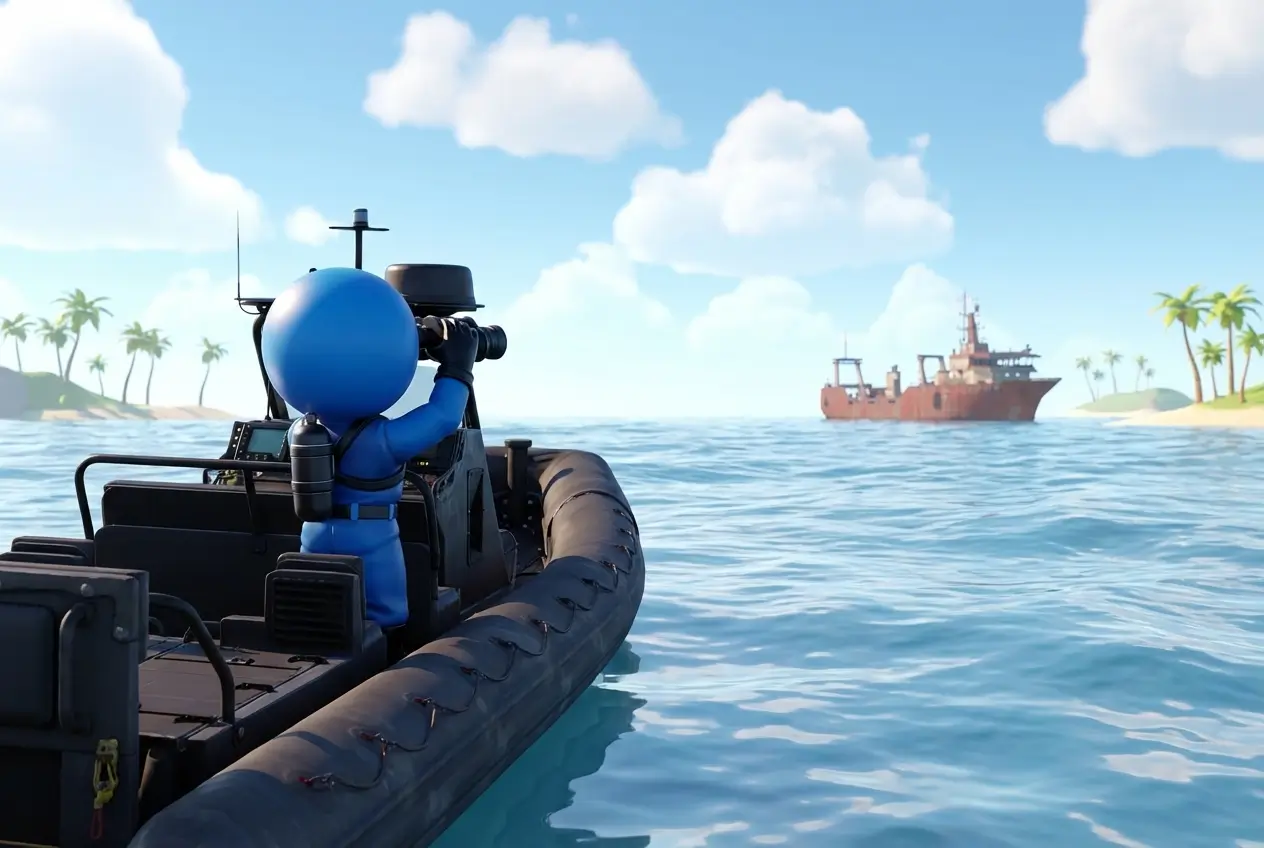
Water transport - motorboats and RHIBs (Rigid Hull Inflatable Boats) - opens up access to ocean content. That includes floating loot crates, sea monuments, Oil Rig runs, and underwater points of interest. Boats are often underestimated, but on busy servers the ocean can be the most consistent loot source simply because fewer players watch it from shore.
Air transport includes the minicopter and the attack helicopter. The minicopter is a tool for speed and information. It gives you map control, quick roof access, scouting, and mobility. But you pay for that with high visibility and real risk. Using a minicopter for quiet farming or hauling a huge amount of loot is almost always a mistake.
Underwater transport - the submarine - is the most niche option. It’s used for underwater farming, stealth movement, and accessing unique ocean routes. This is late-wipe transport that requires resources, prep, and a solid understanding of the mechanics. Without a clear purpose, a sub turns into an expensive toy.
Rust punishes bad vehicle choices hard. A minicopter for stealth farming is a bad idea. A horse for raiding is almost guaranteed to fail. That’s why choosing transport should start with “what do I need this for?” - not “what’s best overall?”
Players who understand the role of transport move faster, lose less loot, and control situations better. Players who ignore it pay for those mistakes within the first few days of a wipe.
Horse - an easy start and early-wipe mobility
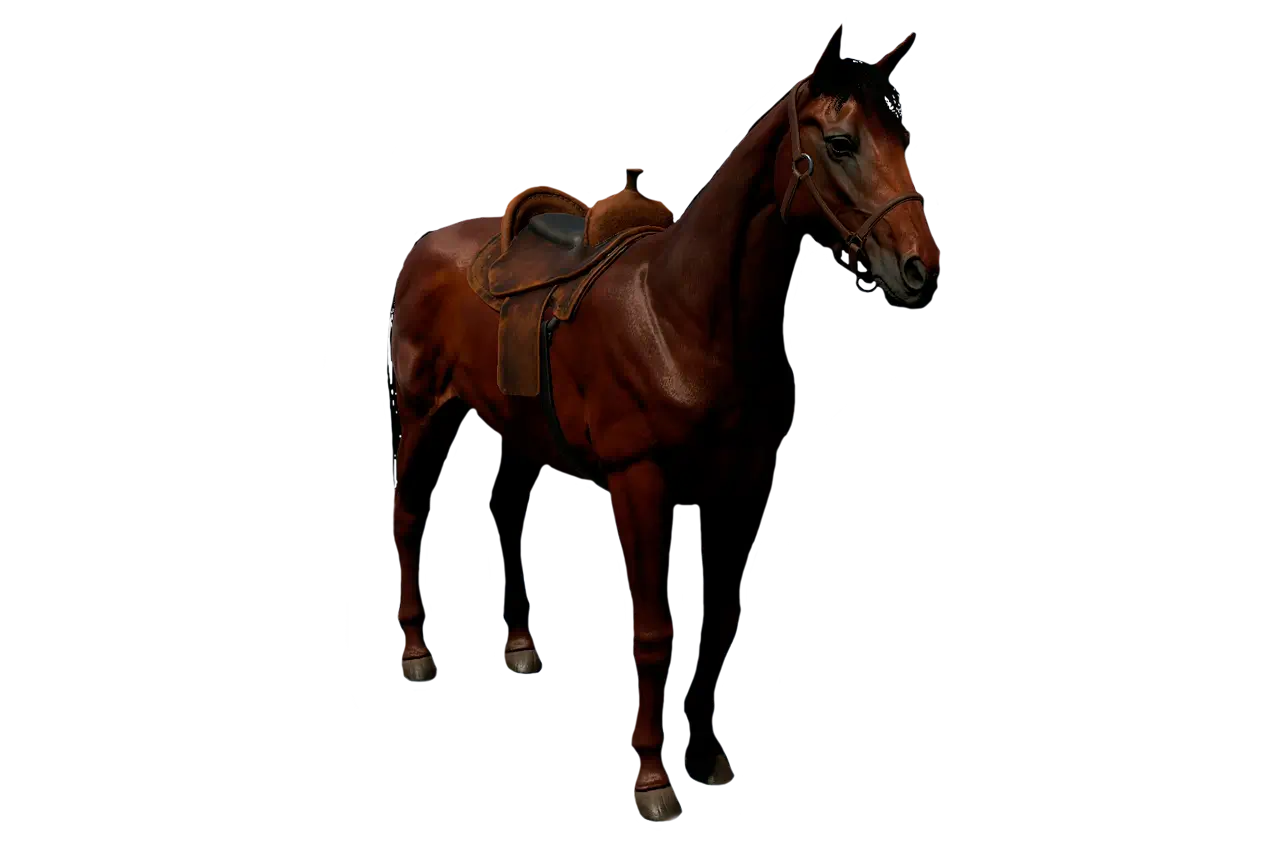
A horse is the most accessible vehicle in the game. It doesn’t need fuel, it’s easy to find, and it fits perfectly into early wipe.
The biggest advantage is the low barrier to entry. You can use it within the first hours on a fresh server. It’s great for moving between monuments, early farming routes, delivering small amounts of loot, and relocating quickly without making too much noise.
But horses come with serious downsides. They’re vulnerable, they’re bad for transporting valuable loot, and they don’t forgive PvP mistakes. One good shot and you’re on foot. On top of that, it’s hard to hide and protect a horse near your base without a proper stable.
A horse is transport for early wipe, solo play, and careful movement. By midgame, it quickly loses relevance.
Cars - modular builds and real logistics
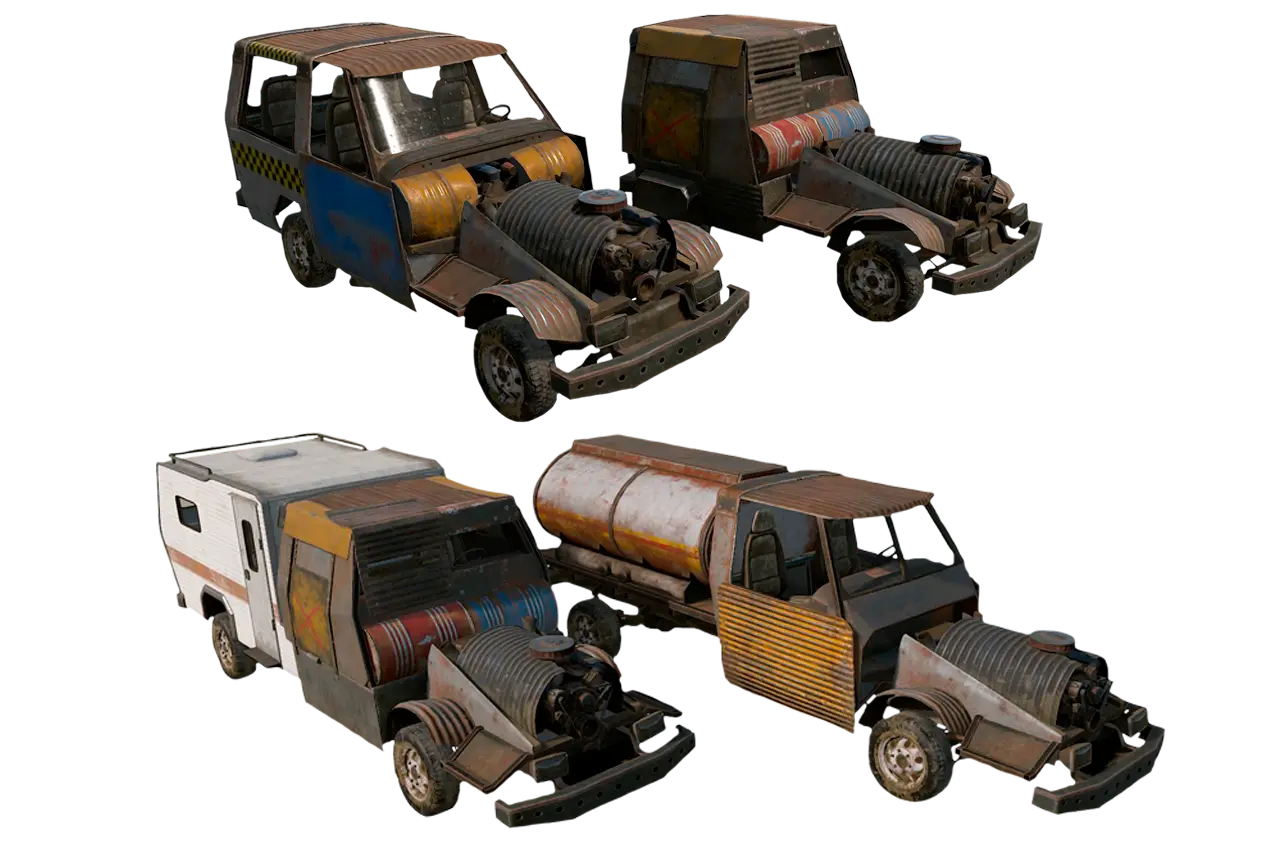
A modular car is one of the most flexible vehicle options in Rust. It’s not just a car - it’s a build system you can tailor to your goal.
A car can be configured for hauling loot, carrying passengers, or extra protection. Engine, armor, storage, and cabin modules let you build either a fast roam vehicle or an armored logistics truck.
The key advantage is hauling safety. Unlike a horse or a boat, you’re protected by the frame, and you can move loot relatively safely even through risky zones.
The downsides are obvious. Cars need fuel, regular repairs, space for storage, and constant attention. Without a garage and a well-planned base layout, a car quickly becomes a headache.
Boats - motorboat and RHIB
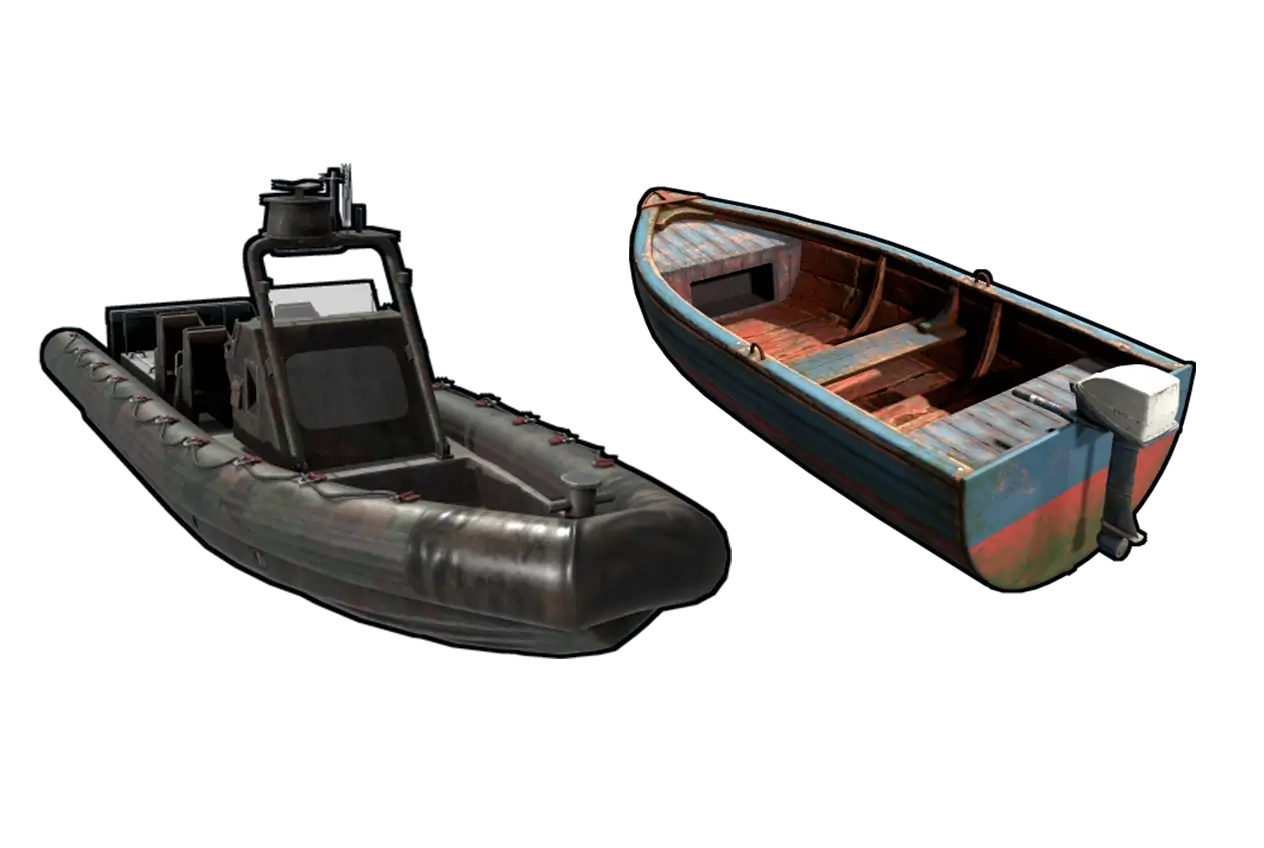
Water transport is often underrated - and that’s a mistake. Motorboats and RHIBs give you access to shoreline farming, sea monuments, and fast routes that bypass dangerous land areas.
A motorboat is a cheap and fast way to travel by water. It’s loud, but mobile, and it’s perfect for farming barrels, moving between Oil Rig, Cargo, and coastal monuments.
A RHIB is more protected and has more room. It’s great for group runs, water PvP, and aggressive farming of ocean events.
The main downside of boats is how vulnerable you are during landings - and how hard it can be to protect a boat near your base. Safe storage isn’t always possible.
Helicopters - minicopter and attack helicopter
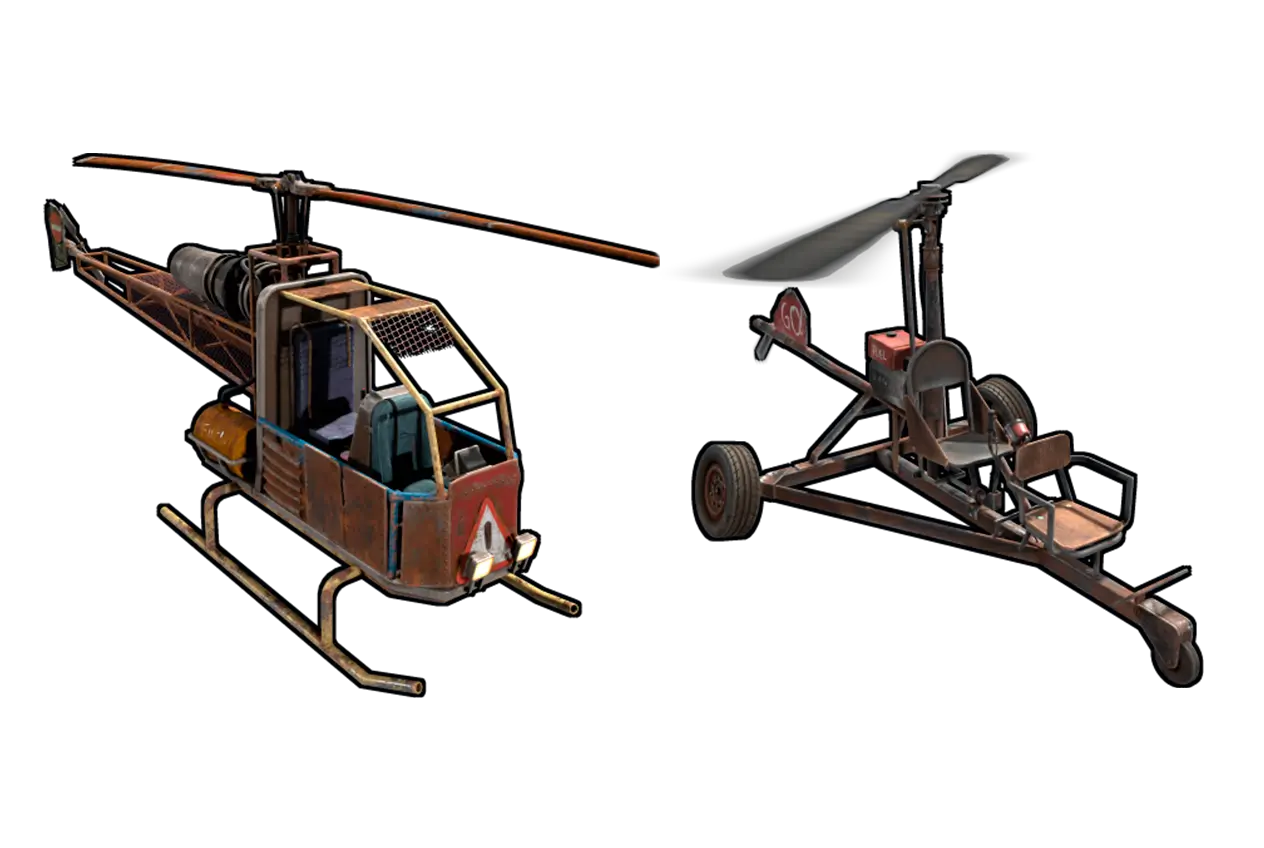
The minicopter is the strongest transport in the game in terms of pure mobility. It lets you ignore terrain, explore fast, move loot, and force PvP on your terms.
It’s perfect for scouting, logistics, and territory control. But you pay for that power. Noise, high visibility, and the risk of getting shot down make it a dangerous choice for careless players.
The attack helicopter is used less often and mostly in specific situations. It’s a pressure and PvP tool, not a universal vehicle.
Helicopters are the choice of experienced players, organized groups, and anyone ready to contest air control.
Submarine - dangerous in the right hands
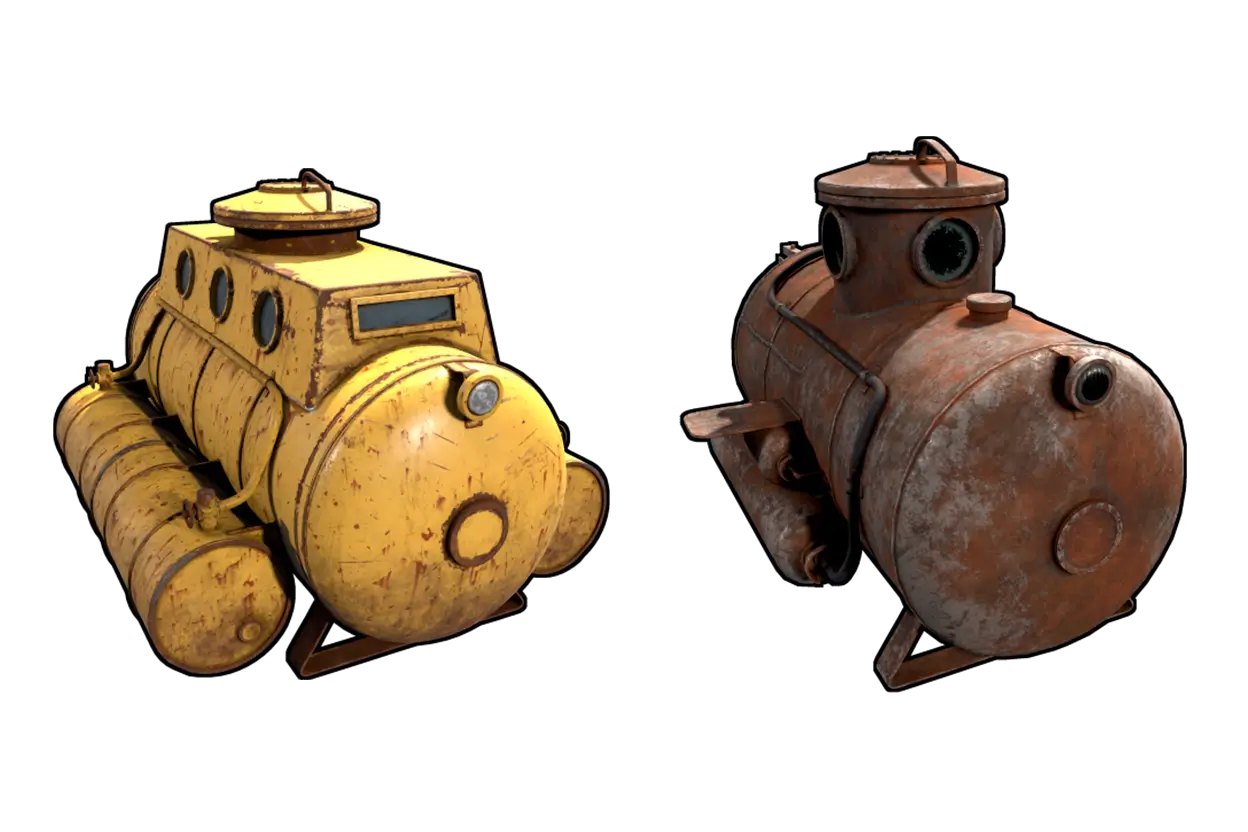
The submarine is currently the rarest and most specialized vehicle in the game. It’s used for stealth farming of underwater points of interest, safer loot transport, and unexpected plays.
Its biggest advantage is stealth. You’re hard to detect, and water routes become safer.
The downside is the cost, the learning curve, and limited use cases. It’s a tool for specific goals - not everyday transport.
Best transport for resource farming
Your farming transport depends on wipe stage, server population, and what you’re farming. There’s no universal best choice, but there are clear favorites for each role.
On early wipe, the best option is the horse. No fuel, easy to find, low attention, and it lets you farm wood, stone, and metal quickly within a few grid squares.
In midgame, a car becomes the top pick. A modular car lets you safely haul large loads. A closed cabin protects you from small arms, while storage modules let you extract a full run in one trip.
For ocean farming, the best vehicle is the motorboat. It lets you move quickly between floating crates, Oil Rigs, and underwater spots. It’s less visible than a minicopter and often ignored by players on shore. Still, if you meet armed enemies on the water, your survival odds aren’t great.
A minicopter is used for farming in specific situations. It’s excellent for monument runs, fast rotations, and extracting high-value loot - but because it’s so visible, it often makes you a priority target.
The key farming metric is delivery safety. The more loot you carry, the less “speed” matters - and the more “getting home alive” matters.
Best transport for raiding
Raids almost always require a combination of vehicles, not just one. Mobility, logistics, and control are everything.
A minicopter is the main tool to start a raid. You use it to scout the base, read the roof layout, find weak points, and get quick access to upper levels. It helps you bypass external walls, take a strong position, and pressure defenders from the first seconds.
A car is the workhorse of raiding. It’s best for hauling rockets, C4, kits, meds, and extracting loot. Covered transport drastically reduces the risk of losing resources to random PvP or counter-raids. In long raids, a car becomes the core of your logistics.
Horses and boats are rarely used for raids. A horse can work for quick approaches early wipe, and a boat can be useful for raiding coastal builds - but these are exceptions, not standard practice.
Best transport for map exploration
For scouting and exploring, there’s no real alternative to the minicopter. In a short amount of time, it lets you:
-
evaluate build density
-
find key monuments
-
check neighbor activity
-
choose the best base location
-
plan future raids
A minicopter gives you a strategic edge in the first hours of a wipe. You see the map from above and make decisions faster than players moving on foot.
Early wipe, when minis aren’t available yet, a horse is a solid alternative. It lets you cover multiple grids quickly and saves time compared to long пешие rotations.
Upkeep cost and vehicle economy
Every vehicle in Rust comes with its own economic burden - and you can’t ignore it.
A horse is almost free. Minimal food cost and zero fuel or repairs make it ideal early wipe.
A car requires constant care. Fuel, module wear, repairs, and storage turn it into part of your base economy. Used correctly, it pays for itself through safety and hauling capacity.
Boats need fuel but are relatively cheap to maintain. Their biggest cost is the risk of losing them during landings or water PvP.
Helicopters are the riskiest transport. Fuel consumption, high visibility, and constant player attention make them expensive tools - especially for inexperienced pilots.
A submarine is late-wipe transport with a high entry cost. It requires resources, mechanics knowledge, and a clear purpose.
Protecting your vehicles from theft
Vehicle theft is normal in Rust. Leave a vehicle unattended and it will almost always get stolen.
Best protection methods:
-
store vehicles inside your base
-
use locks and garages
-
minimize idle time outside cover
-
plan routes in advance
A minicopter can’t be left unattended even for a minute. Even on your roof, it should be secured.
Cars need a closed garage and a smart entrance design. Open parking is basically an invitation for anyone to drive off with your vehicle.
Boats aren’t always stolen instantly, but they’re easy to take if you linger on the shore. Timing and planning decide everything.
Conclusion
Transport in Rust isn’t really about speed - it’s about decisions. Every vehicle solves a specific problem and becomes useless if you use it the wrong way.
The best players don’t pick a “favorite vehicle.” They pick the right tool for the job - farming, raiding, logistics, or map control. That’s what makes progression steady and base growth reliable.
If you want to survive and dominate, treat transport as seriously as weapons and base defense.
While your ride is in the shop - it’s the perfect time to check out CobaltLab! Plenty of modes and the most generous bonus system out there.