Introduction
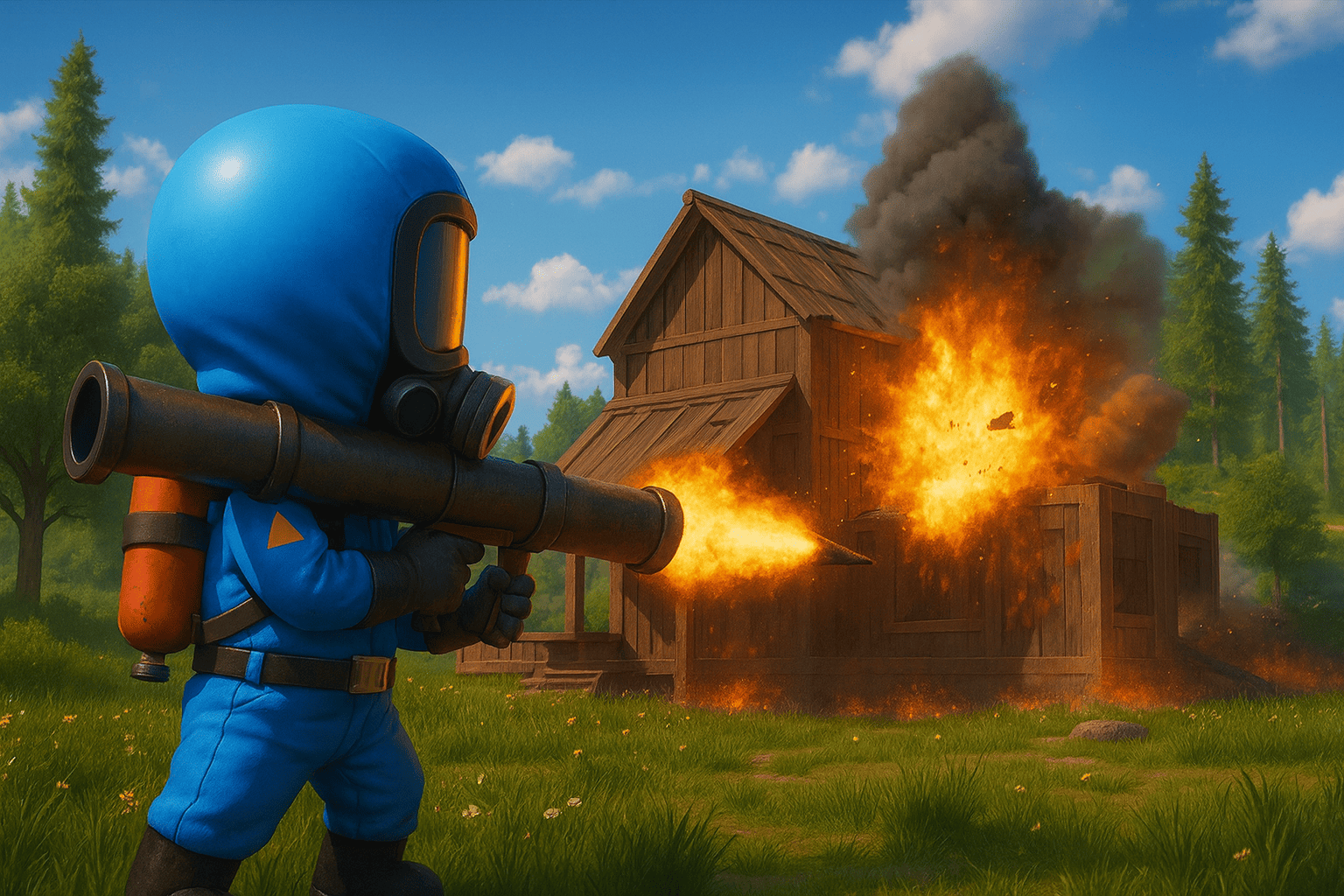
PvP in Rust is not just about accuracy. You can have great aim and still die over and over if you take bad fights, stay in one spot for too long, loot too early, or fail to understand when to apply pressure and when to fall back. Rust rewards players who think ahead - those who understand weapon ranges, know how to use cover properly, and play based on information rather than emotion.
This article is a practical PvP guide designed to help you not just win a couple of fights, but perform consistently. We will break down shooting fundamentals, recoil control, positioning, solo tactics, group PvP, weapon choice, and the most common mistakes. If you want to win fights in Rust more often and with confidence - this is exactly what you need.
Shooting fundamentals and recoil control
Many players believe that gunfights in Rust are decided purely by recoil control. In reality, what matters more is the distance at which you start the fight and how long you stay exposed. Even if you can confidently spray, controlling the tempo and shooting intelligently is almost always more effective than simply holding down the mouse button.
The first rule is choosing the right distance for your weapon. SMGs like the Thompson or MP5 excel in close to mid-range fights. The SAR is a strong all-around option for medium distance. AK and LR can control space at longer ranges, but they require calm hands and a clear understanding of when to spray and when to switch to controlled bursts.
The second rule is not trying to win every fight with a single long spray. In real PvP situations, players who fire short bursts and constantly adjust their aim tend to win more often. This reduces spread, saves ammo, and helps maintain control, especially against enemies who strafe, jump, or change direction frequently.
The third rule is proper peeking. Winning fights in Rust is extremely difficult if you stand in the open and try to outgun your opponent. A reliable pattern looks like this - peek, fire a burst, fall back into cover, change your angle, repeat. Changing your timing breaks the enemy mentally and prevents them from adapting to your rhythm.
Finally, recoil training only works if you practice what you actually use. There is no reason to start with 150-meter sprays. It is far more effective to build consistent body-shot accuracy at 25-50-75 meters, because most profitable fights happen at these distances. This is especially important for PvP beginners - fewer flashy kills, more consistent wins.
Positioning and cover
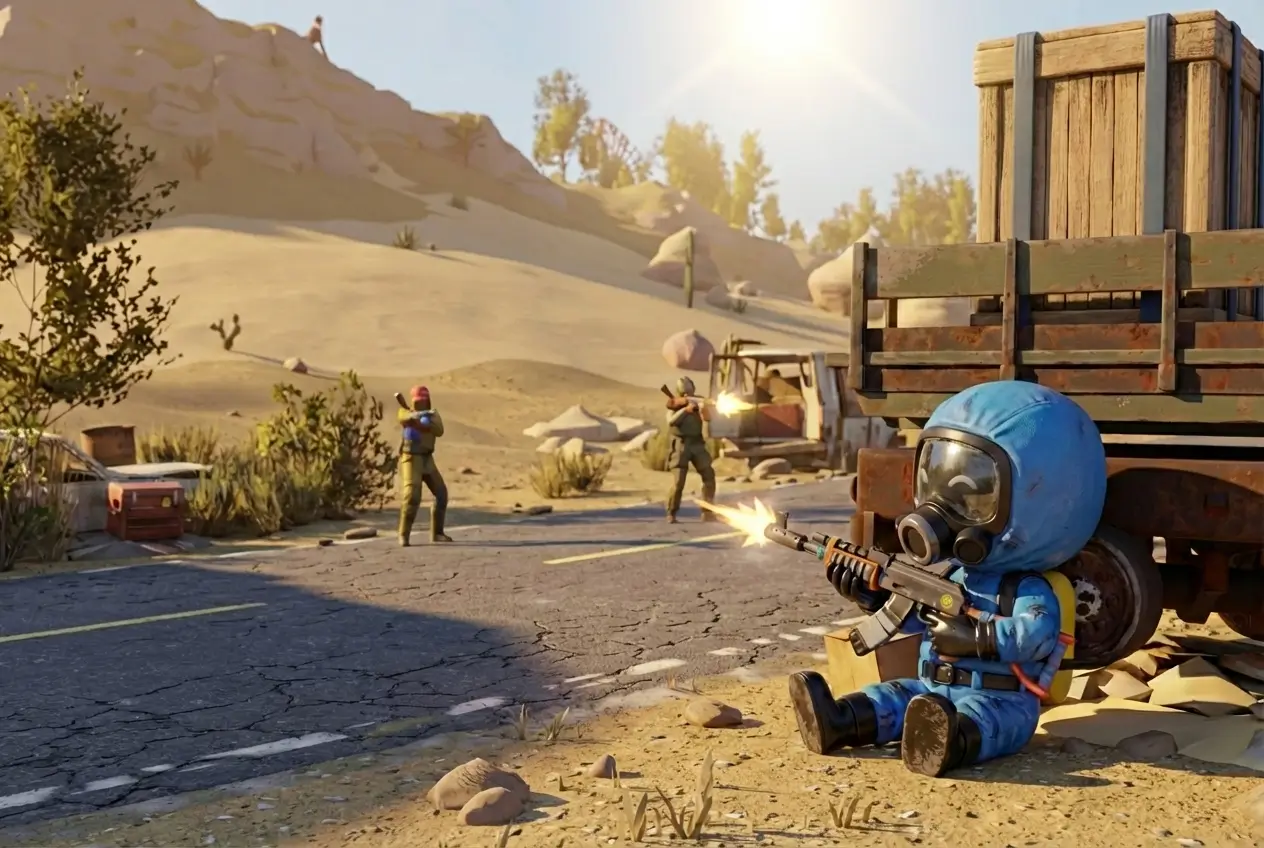
Positioning is half the fight. Strong players rarely lose fair duels because they avoid situations where pure aim is the only thing keeping them alive.
A simple rule to remember - if you stay exposed for more than a couple of seconds, you are already giving your opponent a chance to end the fight in their favor. Players who win consistently move from cover to cover and already know where they will heal and where they will reposition before the fight even starts.
Cover quality matters more than most people think. A rock that allows you to change angles and disengage is a strong position. A rock in a low area where you can be pushed and cut off easily is a trap. This is why height almost always gives an advantage - high ground makes it easier to land the first shots, track enemy movement, and control their retreat.
Sound deserves special attention. In Rust, audio works almost like a radar. If you learn to listen to footsteps, recognize different surfaces, and notice healing or reload sounds, you will start winning fights before shots are even fired. Positioning is not just about where you stand, but about what you understand from the sounds around you.
Tactics for solo players
Solo PvP is a completely different game mode. When you play alone, your main resource is not damage output, but your ability to control the pace of the fight and avoid fair engagements.
A solo player should almost never fight head-on. Your goal is to gain advantage with the first shots, create pressure, and end the fight before it turns into a long exchange. This usually means winning through unexpected angles, quick pushes, smart repositioning, and short engagements.
One of the strongest principles is simple - shoot, then move. If you peek, fire a burst, and stay in the same spot, you will be flanked within 5-10 seconds. Most solo deaths are not caused by poor aim, but by staying predictable for too long.
And yes - third parties always exist. One of the most effective ways to win as a solo player is to use chaos. If a fight is already happening nearby, you do not have to jump into the center of it. It is often better to wait until both sides weaken each other, clean up the survivors, loot quickly, and leave before the loot becomes a trap. This is not ratting - it is solo survival.
Group PvP
In team fights, shooting skill matters, but structure matters even more. Groups have a major advantage - they can trade, revive each other, and apply pressure through numbers. However, this only works when the team does not turn into a chaotic cluster.
Ideally, even small teams should have basic roles. One player looks for entry and applies pressure, another holds angles and covers, while a third attempts to flank. Even a duo can play tactically if roles are discussed beforehand.
Communication must be short and clear. No emotional speeches - only position, numbers, and status like "healing", "reloading", or "pushing". Teams that communicate efficiently win far more fights.
Another critical point - do not stack in one piece of cover. One grenade or a single spray can knock multiple players at once. Spreading out across different angles makes it much harder for enemies to control you with a single line of sight.
Weapon choice
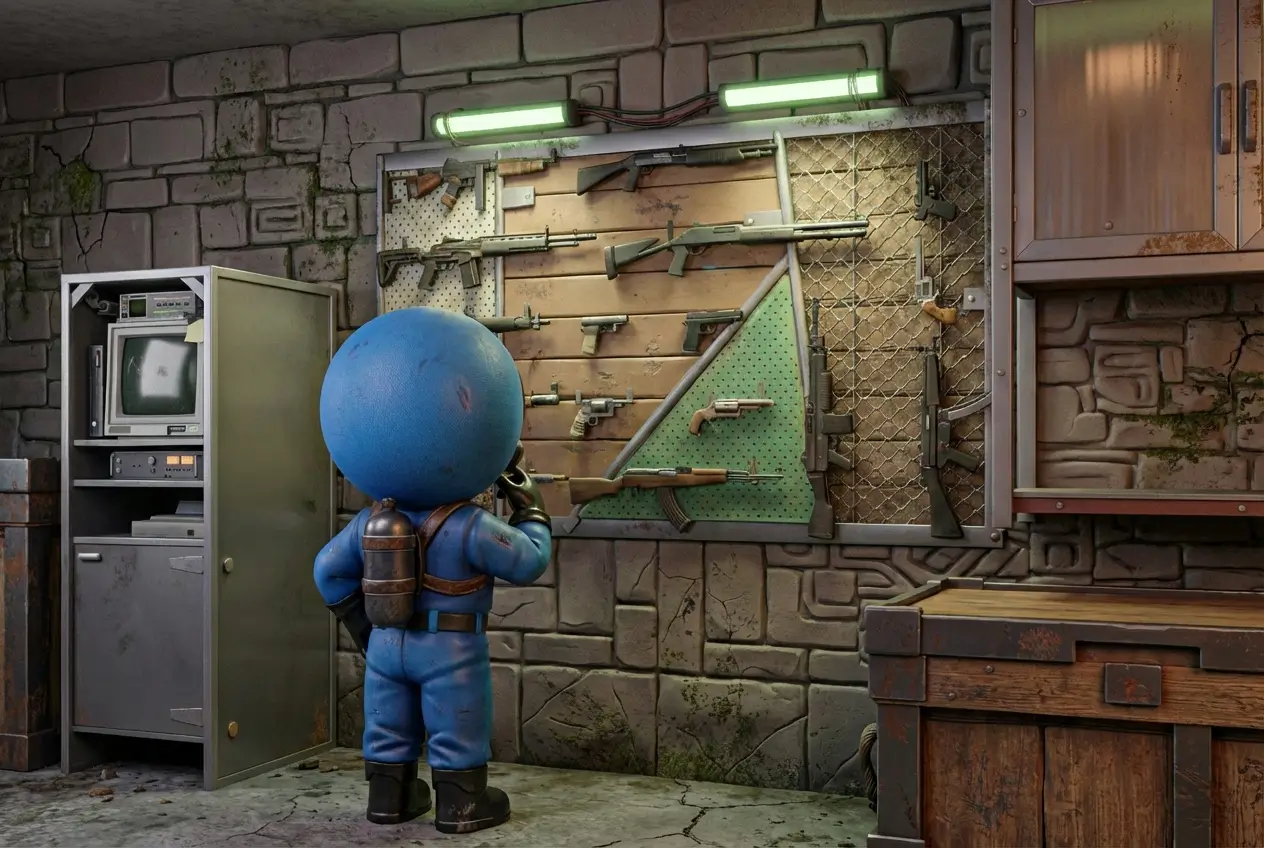
Weapon choice directly affects how you fight, so it cannot be ignored. The main idea is simple - do not use the "best" weapon if you cannot use it properly. For many players, especially beginners, SAR or Thompson are more effective than AK, because consistency matters more than hype.
Early wipe favors speed and accessibility. Players who quickly secure a reliable weapon often snowball through fights. Mid wipe introduces versatile combinations like SAR and SMGs. Late wipe focuses more on space control - longer engagements, stronger armor, and positional pressure.
Attachments matter as well. Sometimes a simple sight or suppressor provides more value than upgrading the weapon itself, especially for solo players. Attachments affect how you start fights and how quickly enemies understand where shots are coming from.
Common mistakes
The most frustrating deaths in Rust are rarely caused by bad aim. They come from habits that are easy to fix.
The most common mistake is looting too early. A body in Rust is a magnet. While you are looking at your inventory, someone is already closing in. Control first, heal second, loot last.
The second mistake is giving the enemy free tempo. For example, you hit them first, then immediately back off to heal while they are also low. This gives them time to recover and take a better position.
The third mistake is failing to finish and control knocked players. In team fights this is critical - if you do not secure the knock, the enemy will be revived and return to the fight.
The fourth mistake is staying on one position for too long. If you keep peeking from the same spot, your opponent will read your timing and prepare a push or a flank.
Finally, overestimating weapons. Rust is not about having the strongest gun - it is about avoiding bad situations. Even an AK will not save you if you are stuck in a low position with no exit and multiple angles against you.
Conclusion
Winning PvP consistently in Rust requires combining multiple skills - shooting, recoil control, positioning, smart weapon choice, and tempo management. When you start making conscious decisions, you die less to stupid mistakes and win fights even against stronger opponents.
If you want fast improvement, start simple. Play around cover, fire short bursts, avoid staying in one place, and always think about your exit. This is how confident gameplay is built, and this is how most effective Rust tactics work.
Just like in PvP, everything on CobaltLab comes down to timing, risk, and a calm mindset.