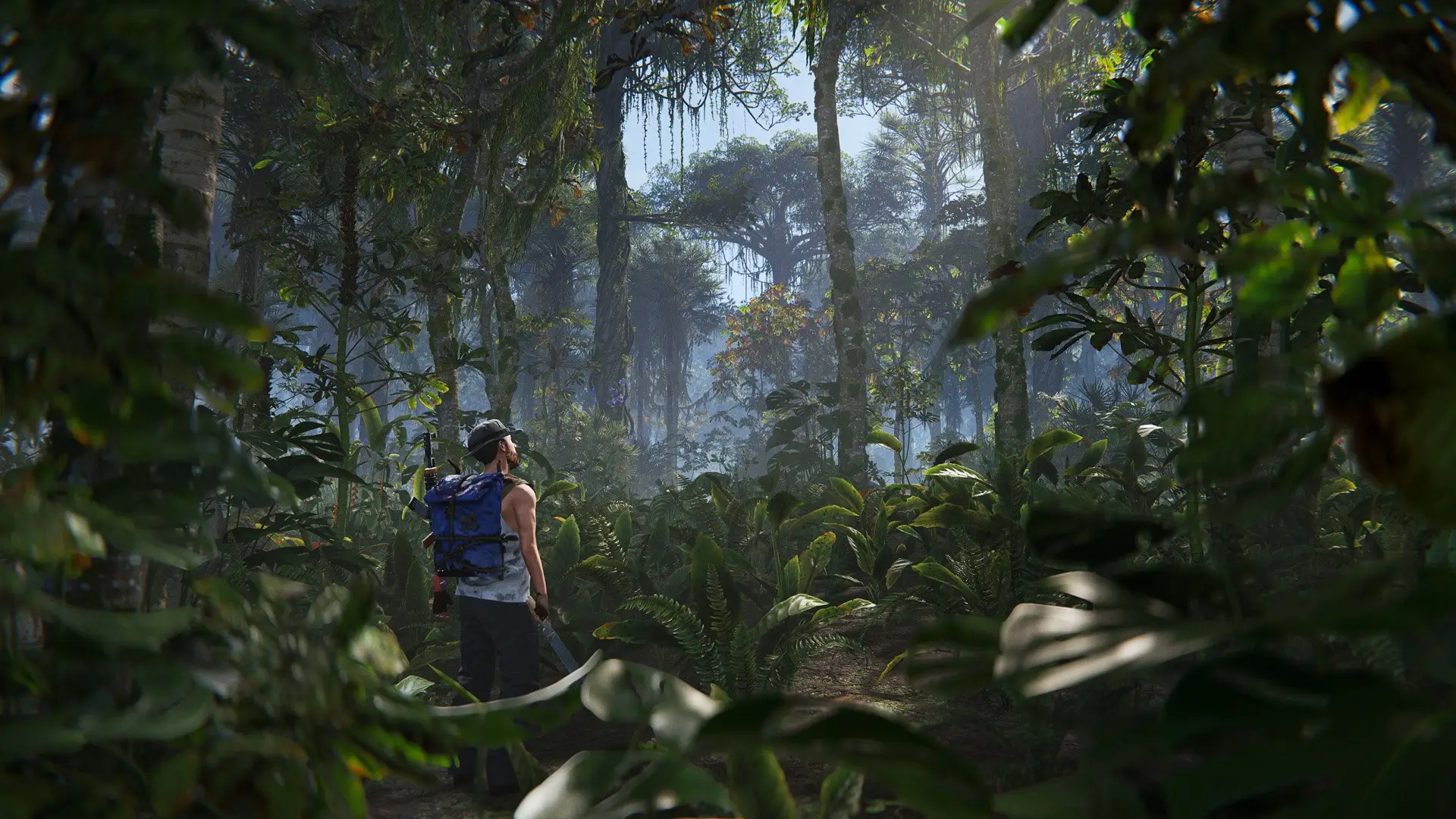
If you’ve played Rust for a bit, you already know it’s not just about other players - there’s a solid PvE layer too. NPCs add a huge chunk of the game’s atmosphere: some sell you resources and key components, some give quests with surprisingly juicy rewards, and some exist purely to ruin your day. In this NPC guide we’ll break down who’s who, where they spawn, how to interact with them, what kind of loot they drop, and whether it makes sense to focus on them at different stages of the wipe.
Types of NPCs: hostile and friendly
All NPCs in Rust can be roughly split into two big groups:
-
Hostile - the ones that will shoot you, bite you and generally smash your face in:
-
animals (bears, wolves, boars, etc.)
-
Scientists - blue hazmat suits, masks, automatic weapons
-
Tunnel Dwellers and NPCs in underwater labs
-
Heavy Scientists on the oil rigs
-
-
Friendly - the ones you trade and take quests from:
-
traders and guards in Bandit Camp and Outpost
-
NPCs in Fishing Villages, Stables/Ranch and other safe zones that hand out missions
-
Some NPCs exist for action and high-value loot, others are there for economy, scrap and more controlled progression.
Guards in Outpost and Bandit Camp: how not to die instantly
Outpost and Bandit Camp are official safe zones. As soon as you enter, you get a little Safe Zone icon under your HP, and the area is controlled by turrets and NPC guards.
Main rules if you don’t want to get domed in 0.1 seconds:
Don’t pull out your weapon
Any sign of aggression (holding a shotgun, firing nearby, hitting a player or NPC) is treated as hostile behavior. You get tagged as hostile for a few minutes and turrets plus guards will start beaming you instantly.
Don’t sleep in a safe zone
If you log off or fall asleep in Outpost, Bandit Camp, a Fishing Village or similar places, the game will auto-kill your sleeper after ~20 minutes. That’s done so people don’t store all their loot in untouchable zones.
Guards in Outpost and Bandit Camp hit hard and react fast, so a safe zone is not a “peaceful chill spot” - it’s an area where you simply aren’t allowed to be aggressive. What you can do there:
-
sell resources for scrap;
-
buy guns, armor and components;
-
grab quests from NPCs;
-
catch your breath between raids and mess around in the gambling area.
Quest-giving NPCs
The mission system in Rust is fairly new, but for solo and duo players it’s a straight-up blessing. NPCs that give you missions can be found in:
-
Outpost
-
Bandit Camp
-
Fishing Villages
-
Stables / Ranch
They hand out simple quests: kill a certain number of animals, bring specific resources, visit a particular monument or do small “go there - bring this - come back” tasks.
Why bother:
-
Steady scrap with less risk
Instead of endlessly contesting roads and barrels, you bang out a few missions and walk away with scrap, tools, weapons, meds and components. -
Great early-game tools and armor
A lot of early-wipe missions reward you with a hatchet, pickaxe, revolver or a small med kit setup. For a newbie or solo player that’s a huge boost. -
Predictable progression
Missions are a way to add a bit of structure to the RNG chaos. Instead of “I’ll just go somewhere”, you chase a specific objective with a guaranteed reward.
Animals: your first enemies and your first loot
There are harmless animals like chickens, and then there are the dangerous ones:
-
bears;
-
wolves;
-
aggressive boars;
-
sometimes sharks and other nasties if you wander into the wrong place.
Animals in Rust are important for several reasons: they drop meat, fat, leather, bone and sometimes a skull; they’re a fast way to get cloth for a sleeping bag and bandages; and a single bear gives so much meat and fat that it basically jump-starts your food and low-grade fuel situation.
Fighting them is fairly straightforward: against wolves and boars a bow or crossbow is usually enough as long as you keep your distance; bears are much safer to fight from high ground or rocks, baiting them onto awkward terrain. There’s also a neat little trick - if you place a twig foundation, you can “poke” a bear to death with a spear from the safety of the platform.
Scientists: where to find them and why they’re dangerous
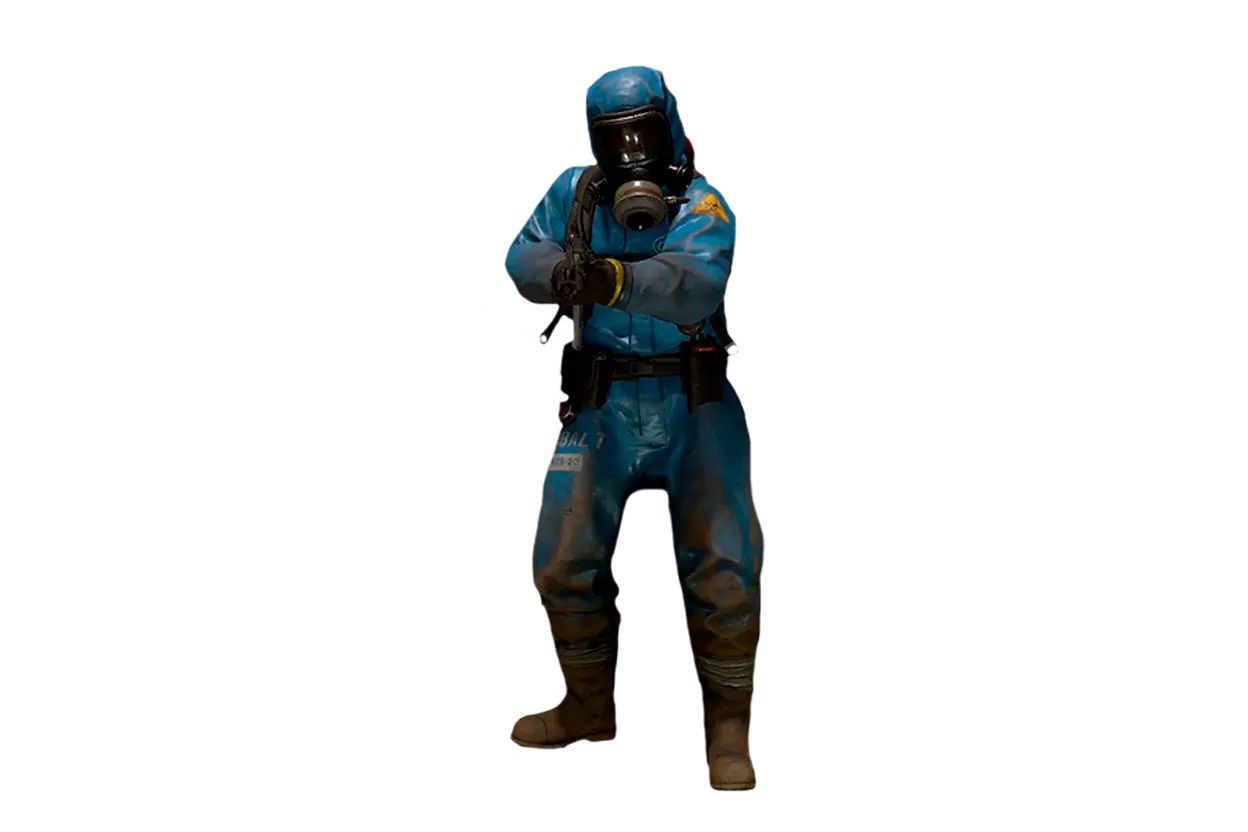
Scientists are the main hostile humanoid NPCs in Rust. These are the guys in blue hazmat suits who shoot on sight and hang around monuments or specific roadside spots.
You can find Scientists in places like:
-
junk piles along the roads;
-
Trainyard, Airfield, Military Tunnels, Giant Excavator;
-
Small and Large Oil Rig;
-
Cargo Ship;
-
Outpost and other PvE zones (in “peaceful” variants).
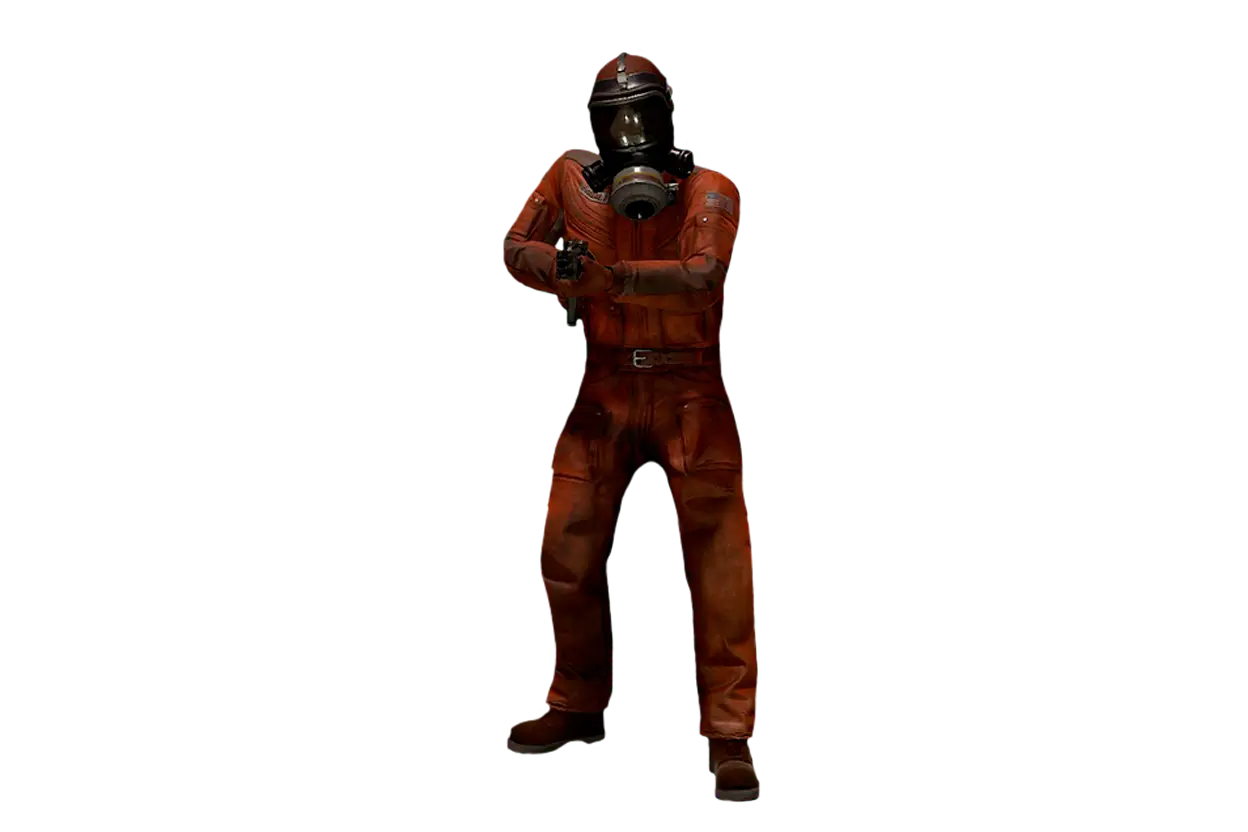
A separate category is Tunnel Dwellers and Underwater Lab Dwellers. They’re not technically called “scientists”, but functionally they’re the same kind of hostile shooter NPCs with similar behavior.
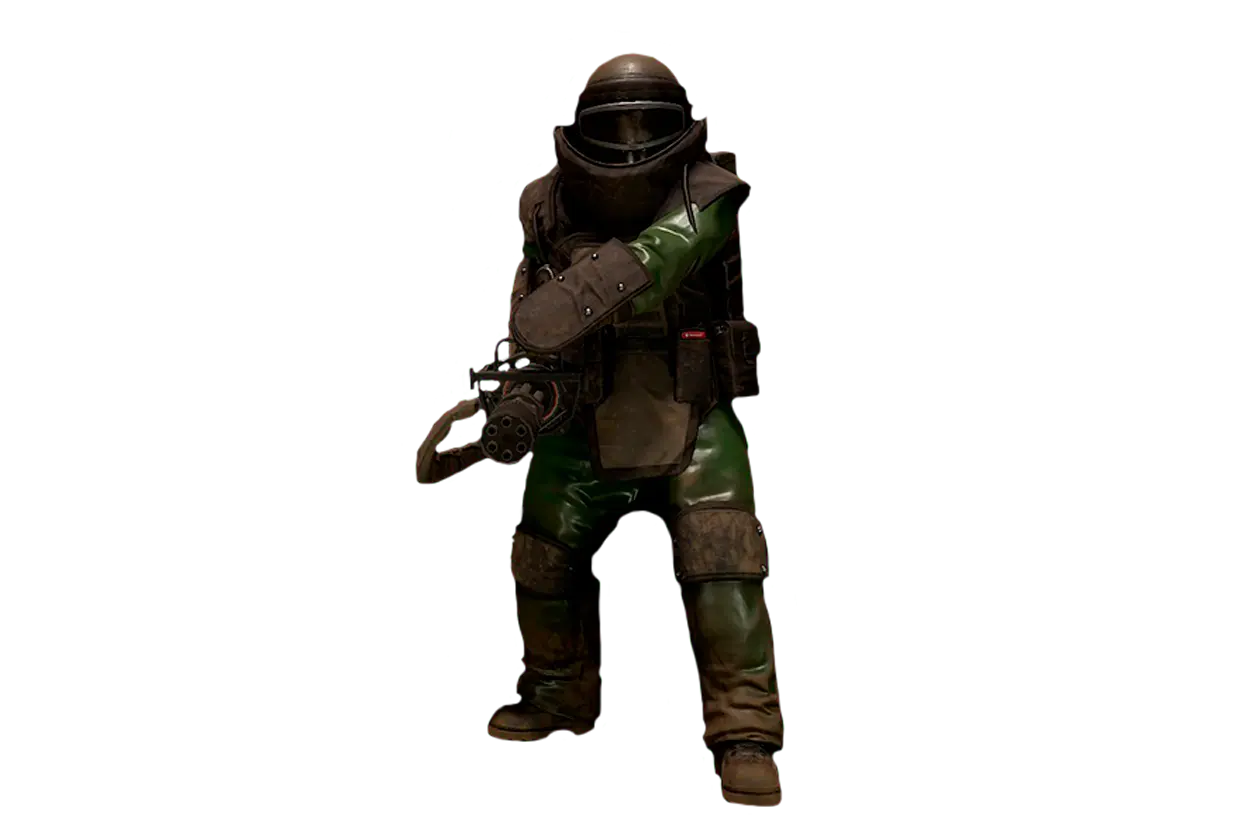
Another beast entirely is the Heavy Scientist. These guys arrive on the oil rigs when you start hacking the locked crate. They have reinforced armor, higher HP and heavy weapons like the M249, Spas-12 shotgun, flamethrower, etc.
Fighting Scientists and Tunnel Dwellers: basic tactics
In general, Scientists are not brain-dead bots you can mindlessly rush. They actively try to flank you, swing wide to catch you from the side or behind, use cover smartly, duck behind walls and objects to wait out your reloads or healing, then push aggressively the moment you’re most vulnerable. Their aim is actually decent, especially at mid-range, so standing in the open and taking raw duels usually ends with you burning through all your meds or just dying and donating your gear.
A few basic rules:
-
Always play around cover
Peek from corners, use quick strafes - that’s your best friend. Don’t stand in the open even against a small group of scientists. -
Hold a solid mid-range
Up close they shred with shotguns and SMGs. Too far away and it gets harder for you to land shots. Try to stay in that comfortable mid-range zone. -
Don’t be stingy with heals
Scientists love to chunk 30-40 HP off you in short bursts. As soon as you eat a couple of solid hits, instantly pop syringes or a med kit - don’t wait until they finish you off.
Preparing for NPC fights: minimum viable loadout
If you’re heading out specifically to farm NPC loot, even a basic kit dramatically increases your survival chances.
To feel somewhat comfortable you’ll want at least a simple set. For weapons, the absolute starter tier is a bow or crossbow, but a revolver, Thompson or SAR (semi-auto rifle) feels much better. If you’re going to oil rig or cargo, it’s worth bringing something reliable at mid-range: Thompson, MP5, AK or SAR.
For armor, ideally you want a roadsign set with a hoodie and pants; in a pinch, even wooden armor plus clothing will do, and for the tougher monuments it’s best to go in full metal. For healing, the bare minimum is 10-15 bandages, 6-8 syringes and some food for passive regen. Extra gear like a flashlight or laser on your gun helps a ton, especially in tunnels and nighttime fights, and a few grenades make clearing NPCs out of rooms much safer.
Without all that you’ll be burning too much time and mental energy, and the loot you get won’t really justify the risk.
NPC loot and how valuable it is
What drops most often
On average, from Scientists and Tunnel Dwellers you can expect:
-
ammo (5.56, pistol, buckshot);
-
components (springs, pipes, gears, etc.);
-
a handful of medkits and syringes;
-
the occasional full hazmat suit.
Is it worth farming specific NPCs?
-
Roadside Scientists are a decent source of early weapons and components and aren’t too scary once you get used to their patterns.
-
Tunnel Dwellers are one of the best “risk/reward” options for mid-wipe: tons of components, ammo and assorted useful loot.
-
Scientists on oil rig and cargo are full-on endgame: elite crates, explosives, top-tier guns and a chance at rare weapons.
If your playtime is limited, it makes sense to plan your routes around the NPCs that give you the most value per minute and per death risk.
Should you focus on NPCs early and late in the wipe?
Early wipe
Early in the wipe, focusing on NPCs in Rust can be very strong if you know what you’re doing:
-
animals → meat, fat and cloth for a fast start;
-
easy roadside Scientists → your first guns and ammo;
-
missions from NPCs in Outpost, Bandit Camp, Fishing Villages and Stables → steady scrap and tools.
But if you don’t have much experience with combat and you’re light on meds, sometimes it’s actually better to just farm barrels and nodes for a couple of hours instead of dying 10 times to a bear or a random Scientist.
Late wipe
In late-game, your focus on NPCs shifts:
-
Scientists become more of a background loot source;
-
the main targets are oil rig, cargo, Military Tunnels and other big monuments where the really good loot drops;
-
missions are still fine for fun or steady scrap, but most of your income comes from raids and high-tier content at this point.
Conclusion
NPCs in Rust aren’t just “bots for the sake of bots”. They:
-
form the PvE backbone the PvP content spins around;
-
define routes across the map (tunnels, oil rigs, cargo, monuments);
-
provide loot that would be hard or very slow to get purely through farming;
-
support the in-game economy via Outpost, Bandit Camp, Fishing Villages and Stables.
At the start of a wipe, a smart focus on NPCs (animals, easy Scientists, trader quests) can give you a serious edge: faster access to guns, meds, scrap and tools. Later on, the emphasis shifts to Heavy Scientists, tunnels and top-tier monuments for big loot and explosives.
The main thing to remember: any aggression in safe zones (Outpost, Bandit Camp, etc.) instantly turns you from “customer” into “target”, and any trip to fight Scientists without a proper kit isn’t farming - it’s you voluntarily donating your own resources.
Once you learn how to squeeze maximum value out of NPCs, Rust stops being just a “player vs player” game and turns into a full survival sandbox where the world itself is just as dangerous and just as rewarding as the people running around with AKs.
If loot from scientists and raids isn’t enough for you, try your luck where the stakes are even higher - jump into CobaltLab!